
They Built Ancient Olympia From a Seabed
You’re not walking through ruins. You’re walking on what used to be the sea.

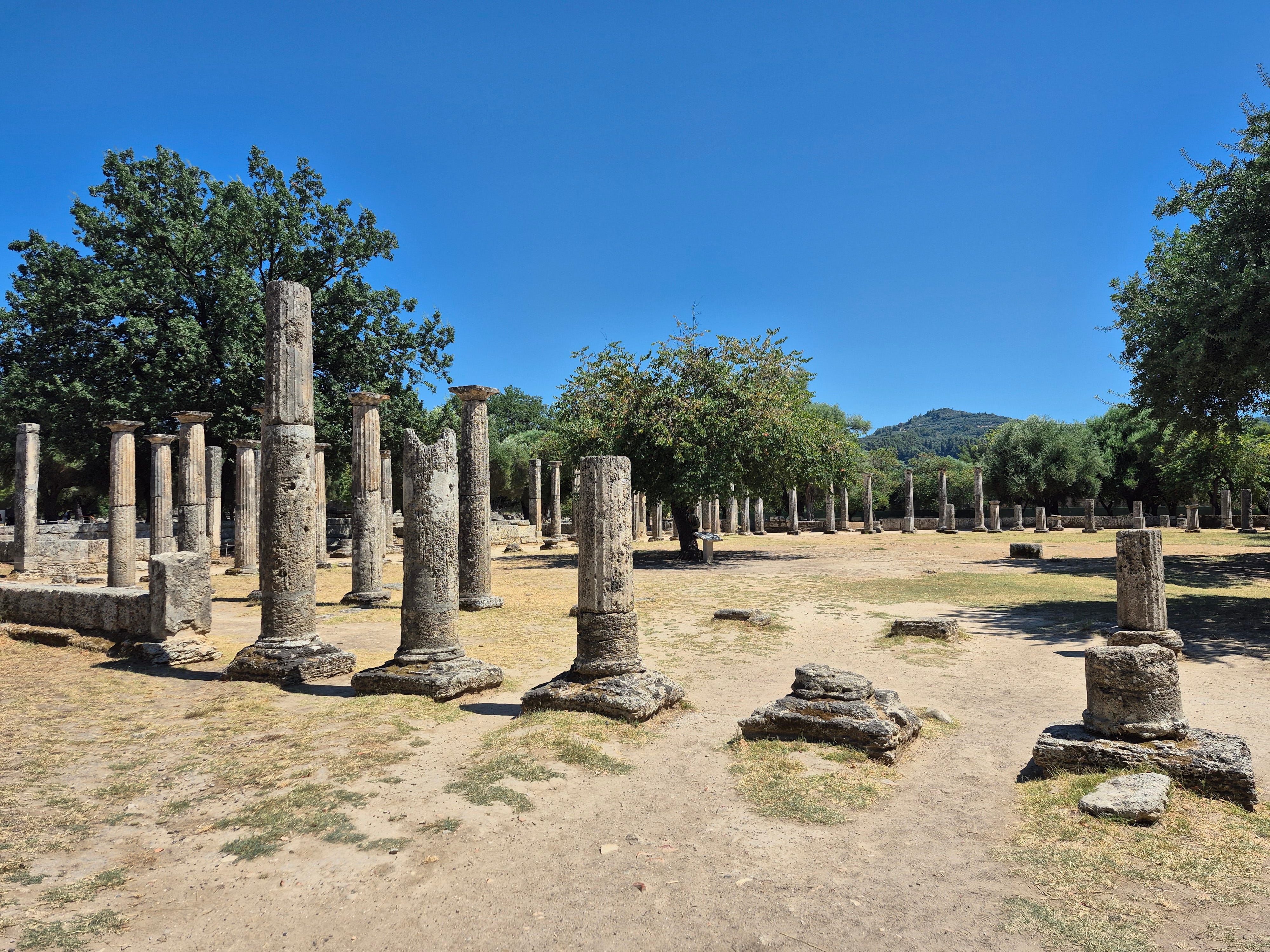
You’re not walking through ruins at Olympia, Greece.
You’re walking on the remains of a seabed.
Today, that coast is miles away. Nothing about this place feels like the sea.
Most people see worn stone columns, blocks, and scattered fragments. It looks like every other ancient site.
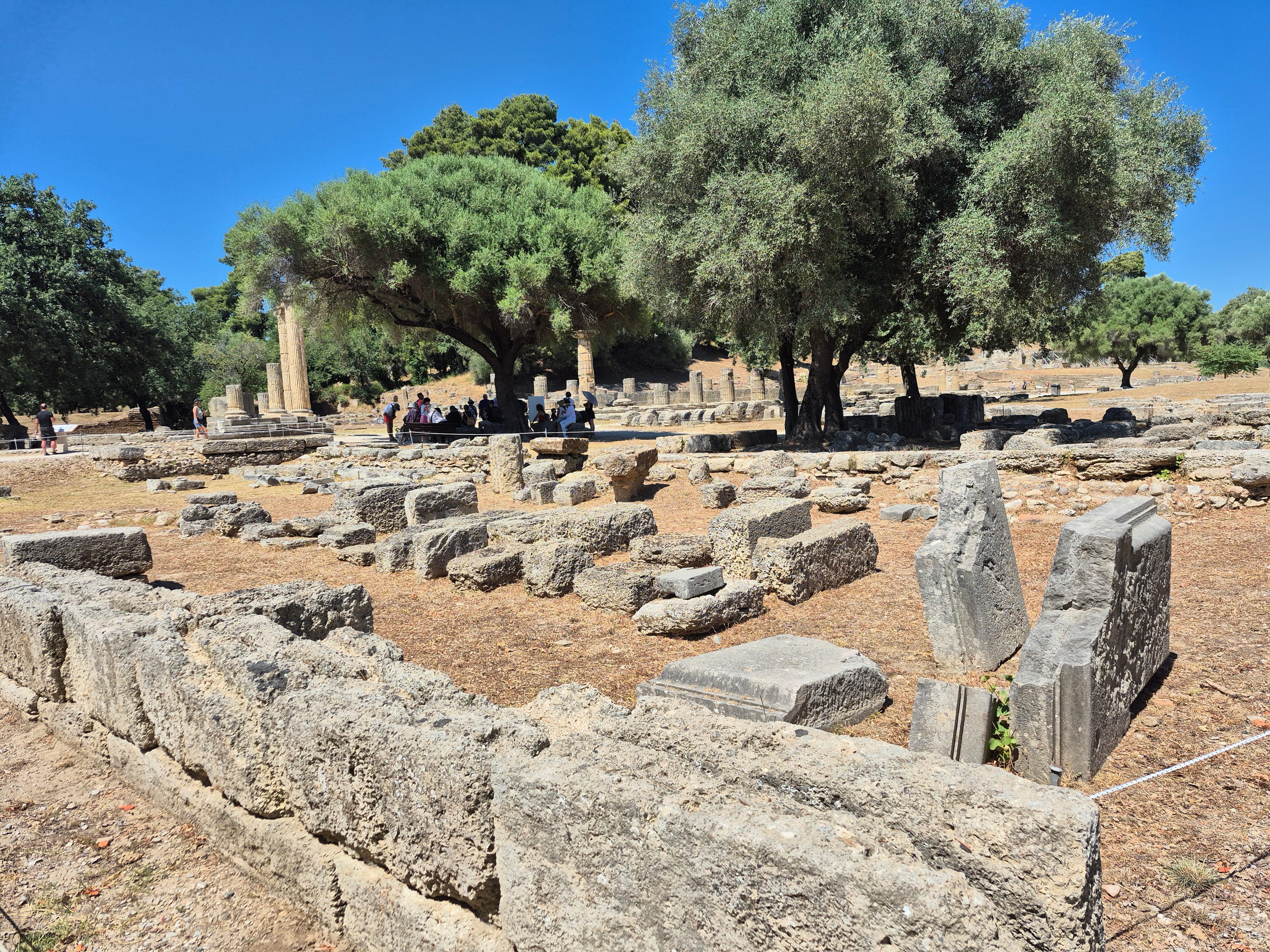
But this is where the Olympic Games began more than 2,000 years ago.
Men competed here naked, their bodies coated in oil and dust. They ran, wrestled, and fought for victory—for the title of the fastest, the strongest. The air would have been thick with heat, sweat, and movement.
Men came from across Greece. City-states sent their best. Crowds gathered. Men ran hard over the dirt and dust. Victories were carried home.
All of it happened here — among temples and walls that now sit in pieces.
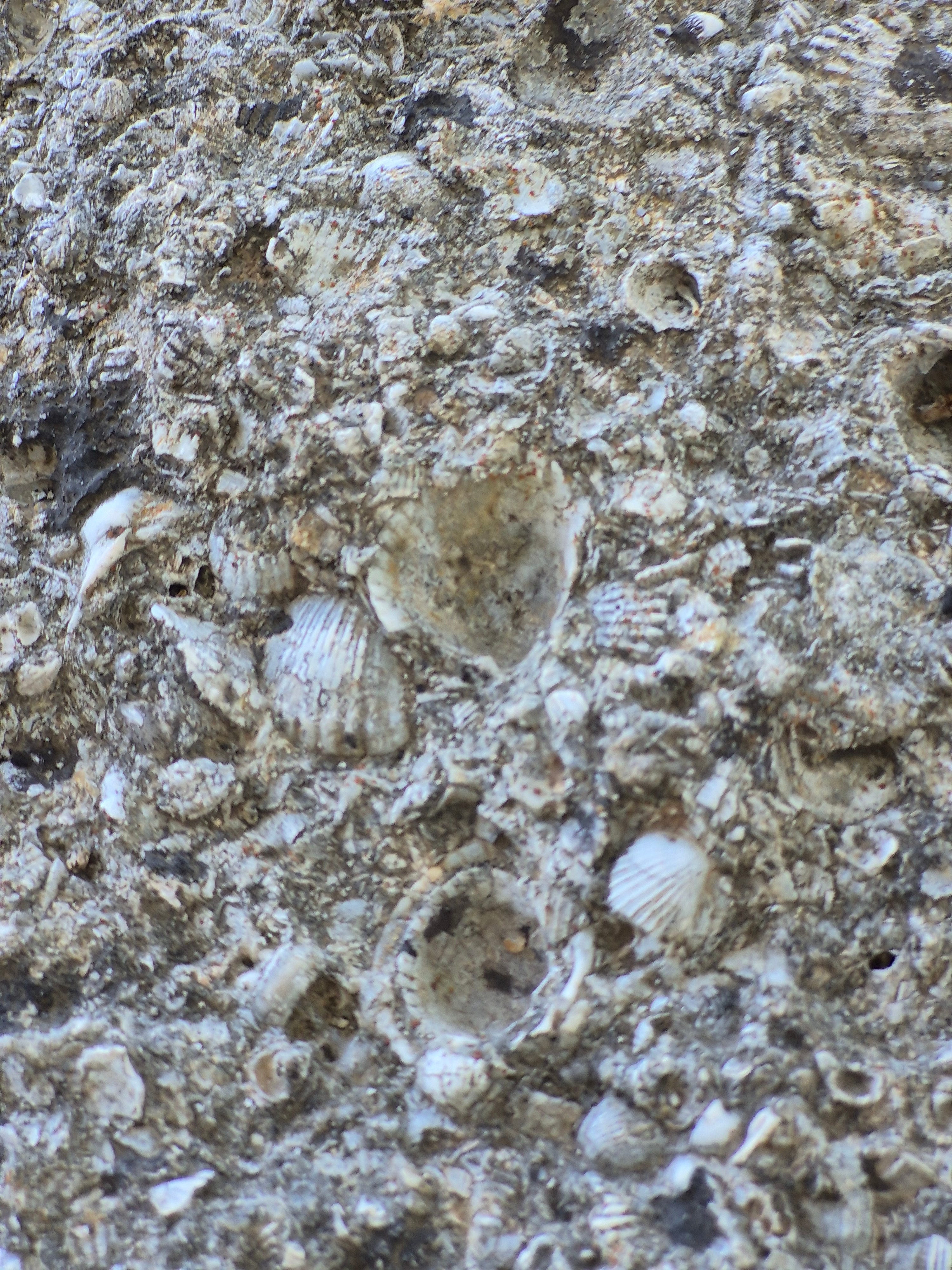
Now look closer at the random chunks of gray stone, coarse under your fingers.
Each massive stone is full of shells.
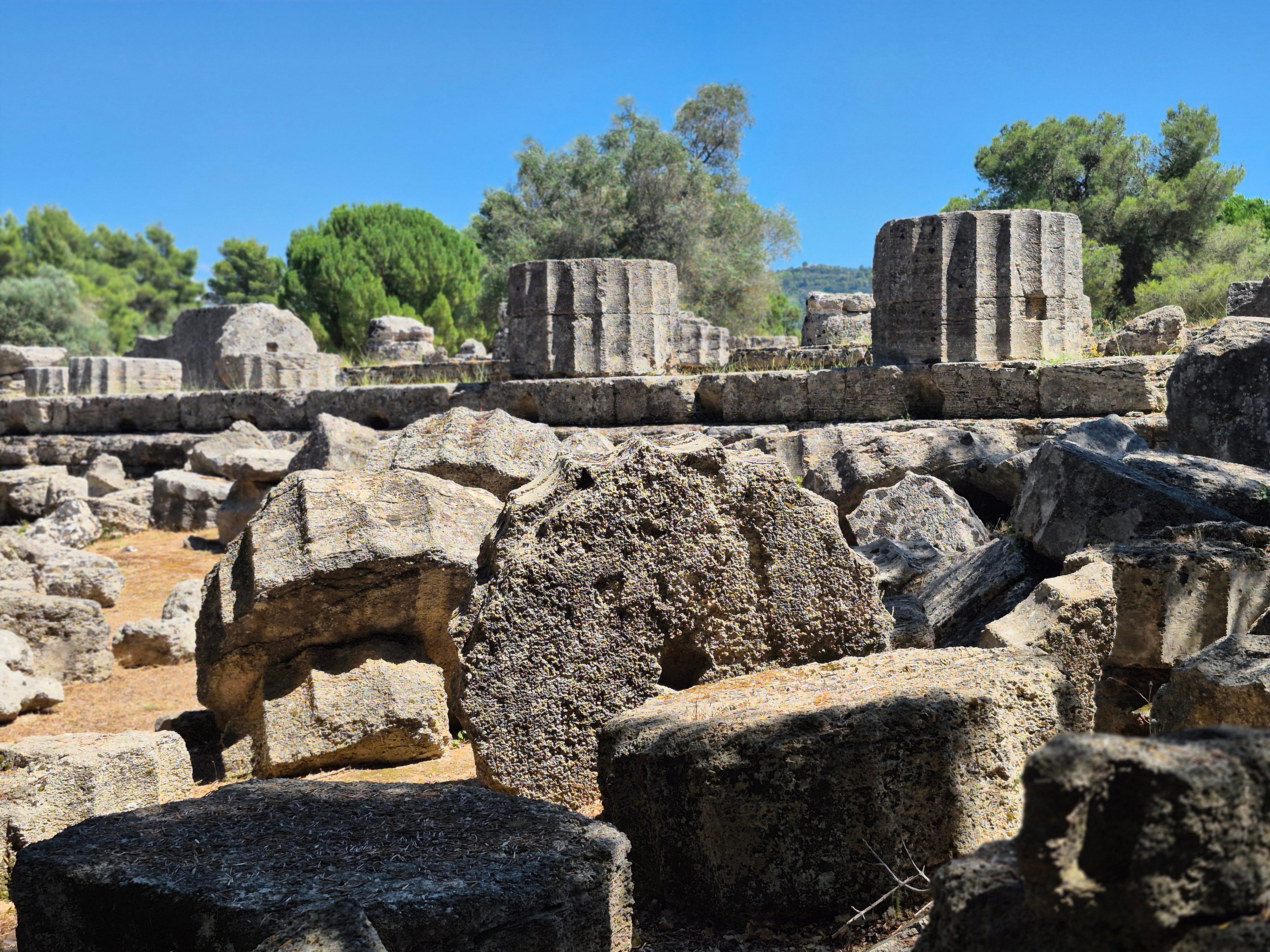
Curves. Ridges. Fragments of marine life pressed into the surface itself. Not decoration. Not carving. Built in.
This wasn’t solid rock.
It was once underwater.
Long before the temples, before the Games, this land was part of a shallow sea. Over time, shells and sand settled, layer after layer, compressed and hardened into limestone. Then the land rose. The sea pulled back.
What had been the ocean floor became ground.
Then it became a quarry.
The Greeks cut that stone into blocks and built with it — temples, walls, the structures that surrounded the stadium where men competed naked, coated in oil and dust, racing and wrestling for victory.
This is why Olympia looks the way it does.
The edges soften. The surfaces pit. Details fade faster than you expect.
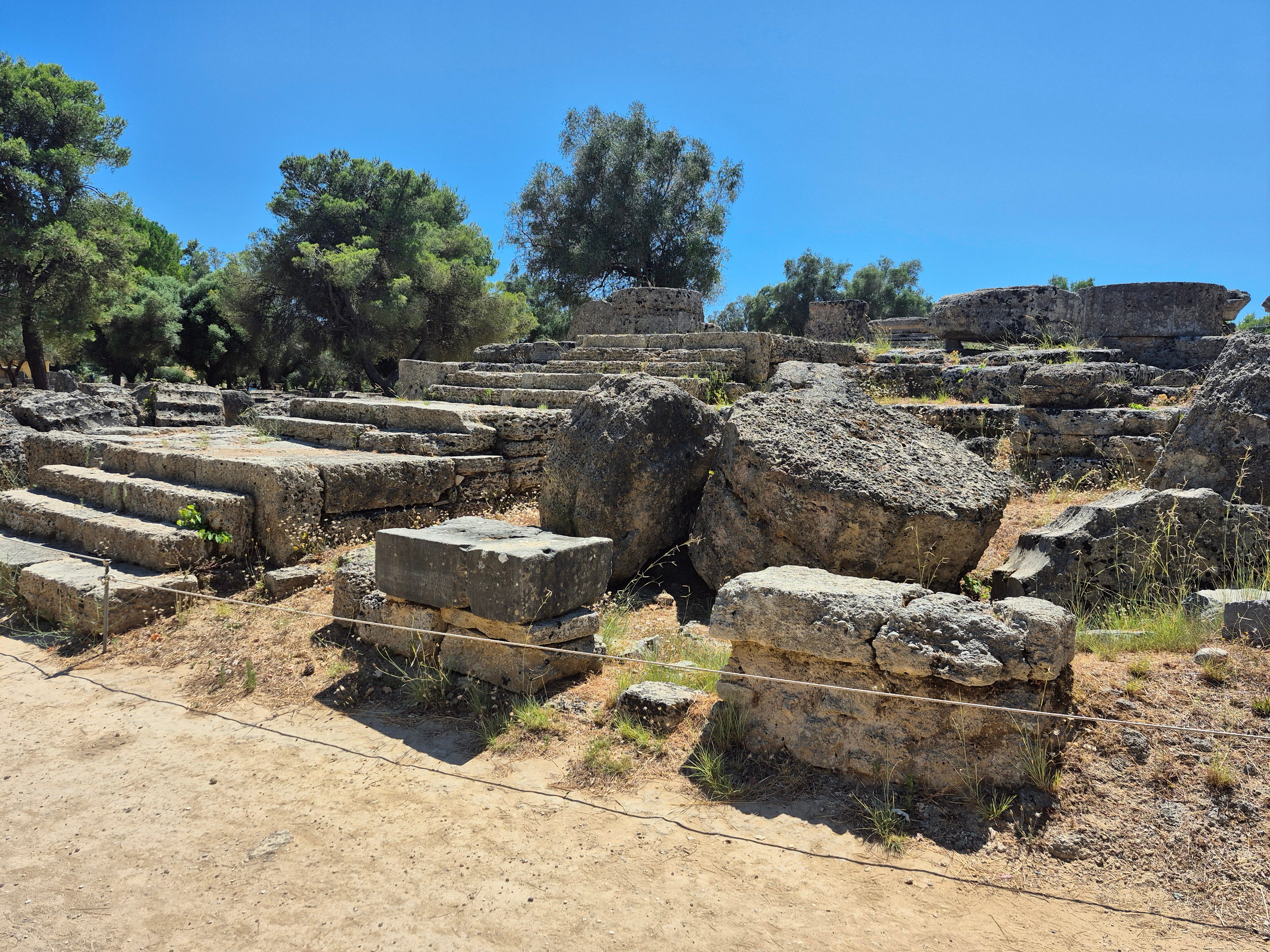
Because it was never meant to last like marble.
They didn’t just build on history.
They built with what used to be the sea.
It’s slowly turning back into what it was.
If you want more details like this—the things most people walk past—subscribe below.