
Most People Walk Past This Spot in Rome Without Knowing What Happened There
At the Rostra, words shaped Rome—and sometimes ended in blood.

Tourists file past it every day.
A low stretch of worn stone at the edge of the Roman Forum.
Smooth underfoot.
Sun-warmed.
Polished by centuries of steps.
Cameras lift and phones click. Voices echo in a dozen languages. Then they move on.
Nothing about the Rostra today demands attention.
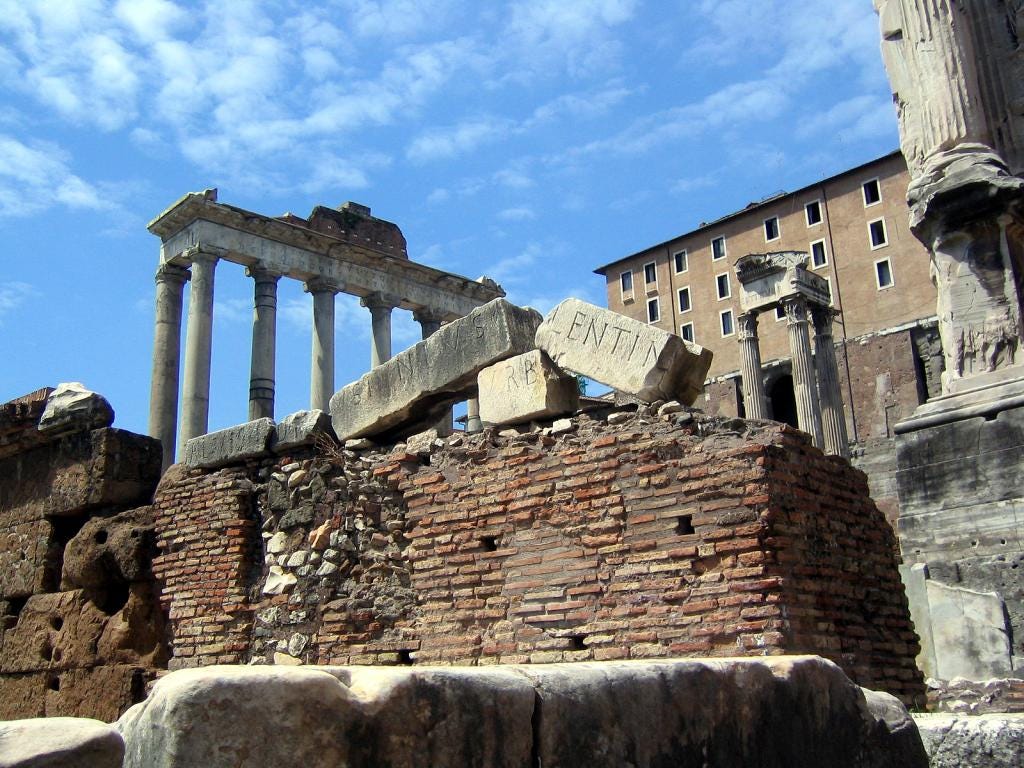
Two thousand years ago, it was different.
This is where Rome spoke.
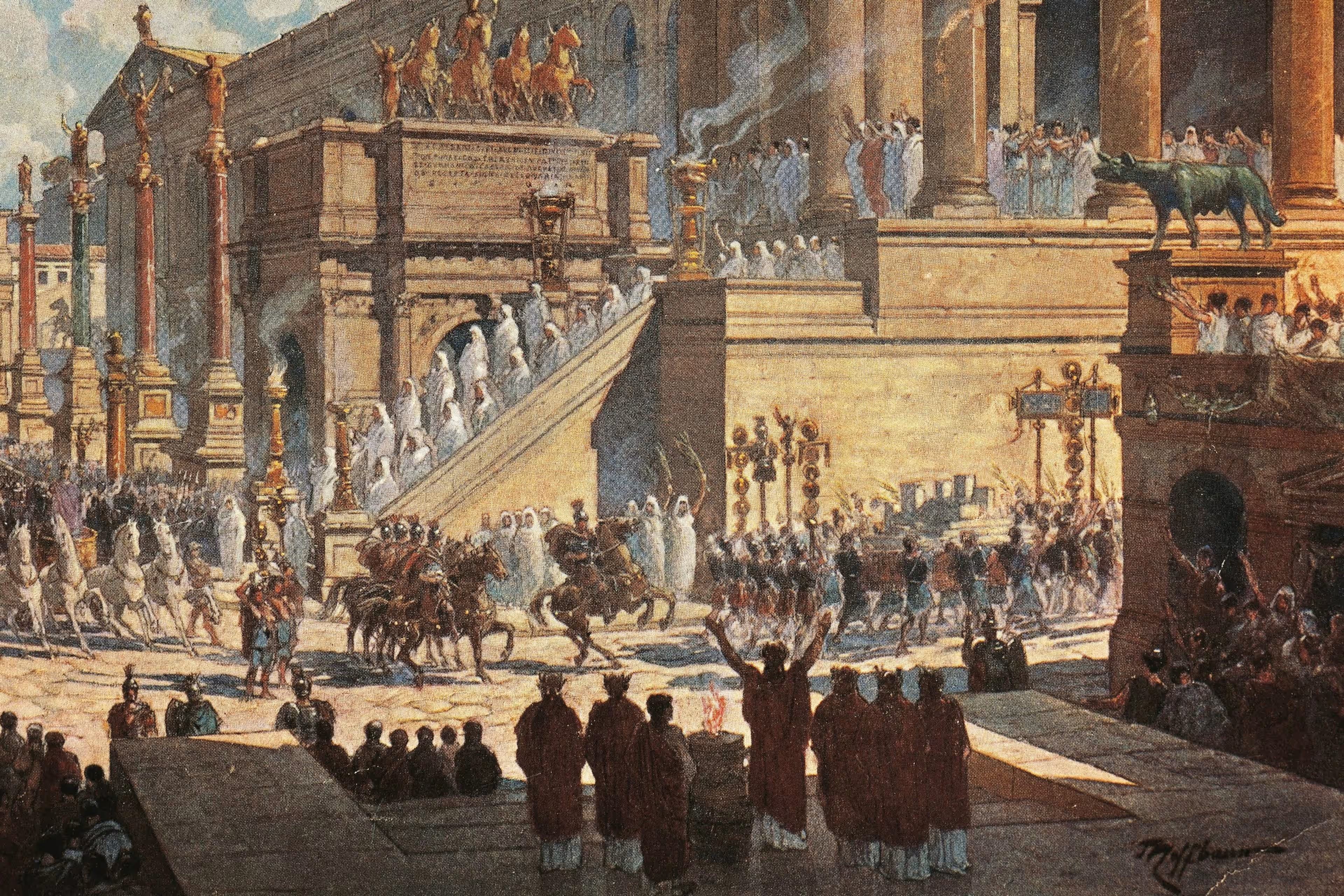
The Rostra was a platform for speeches — victories announced, laws proposed, futures argued into existence. Crowds packed the Forum, shoulder to shoulder, the air thick with heat, sweat, and dust.
Sandaled feet shifting against white stone. Voices rising, carrying, breaking against the surrounding canyons of buildings and temples.
Cicero stood here.
Mark Antony.
Julius Caesar.
Words mattered deeply at the Rostra.
And sometimes, they cost everything.
Other Roman Forum articles you may like:
If you enjoy details like this from places where history still lingers, you can subscribe here.
👉 https://unpaidobserver.substack.com/subscribe
After the proscriptions of 43 BC, Mark Antony and Octavian drew up lists of enemies to be killed.
Names written down.
Fortunes seized.
Lives erased.
Bloody bodies were not enough.
Heads were brought here. Displayed.
They were set above the crowd—high enough for everyone to see, close enough that no one could ignore them.
The message didn’t need words.
The most famous belonged to Cicero himself — Rome’s greatest orator, a man whose voice had filled this space for decades.
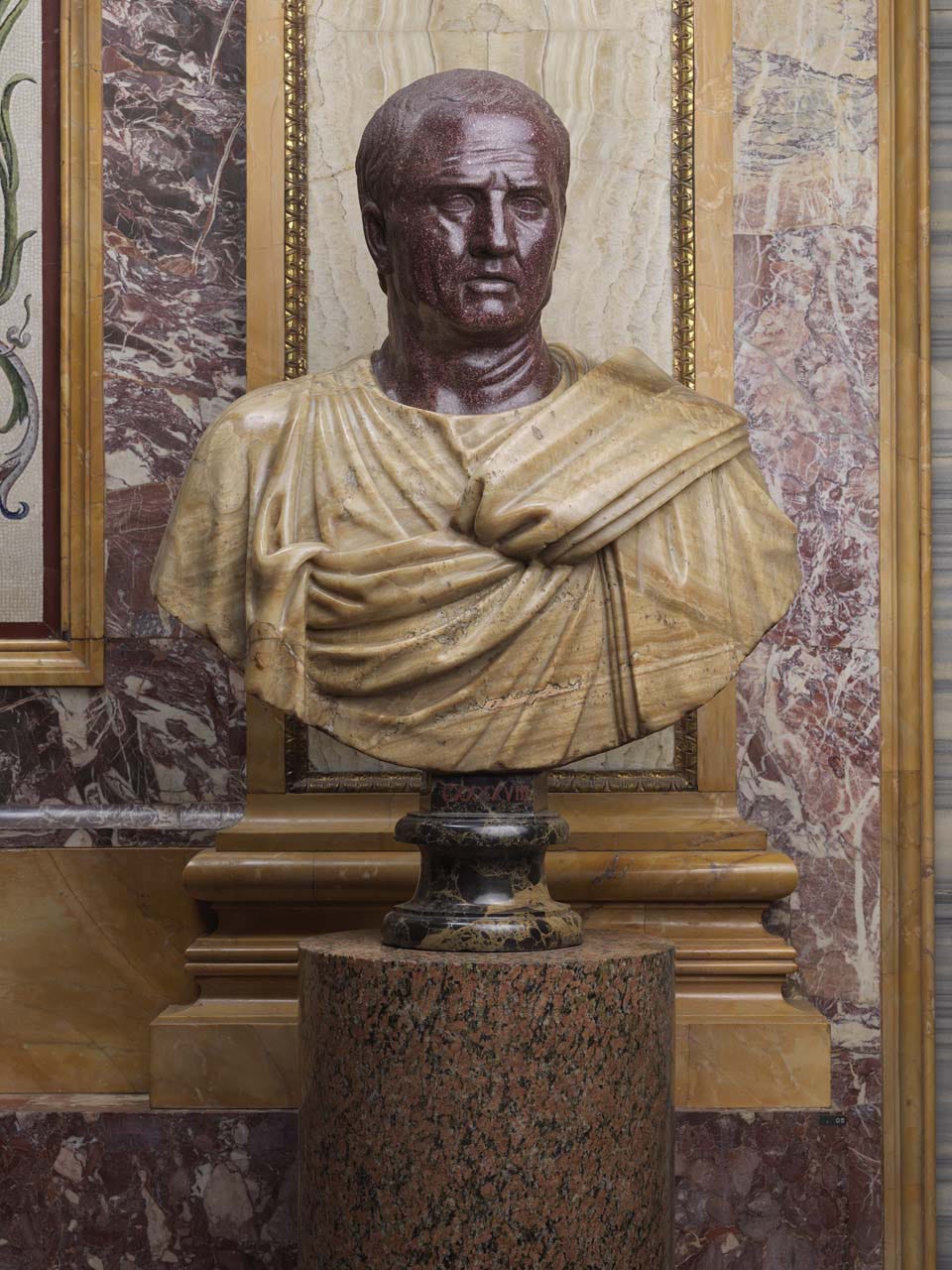
When he was executed in 43 BC, his head and hands were cut off and carried back to the Forum.
Placed on the Rostra.
The same stone where he had once stood.
There is a story that Fulvia approached the display. That she took a pin and drove it through his tongue — the tongue that had turned the city against her husband.
Maybe it happened. Maybe it didn’t.
But the message would have been unmistakable.
You can imagine it.
The coppyery smell of blood in the heat. Spattering on stone.
Flies gathering.
A crowd not speaking now—just watching.
Power spoke here.
And it could be silenced here.
Today, nothing marks the spot. You can stand on that same stone, feel its smooth surface under your shoes, and never know.
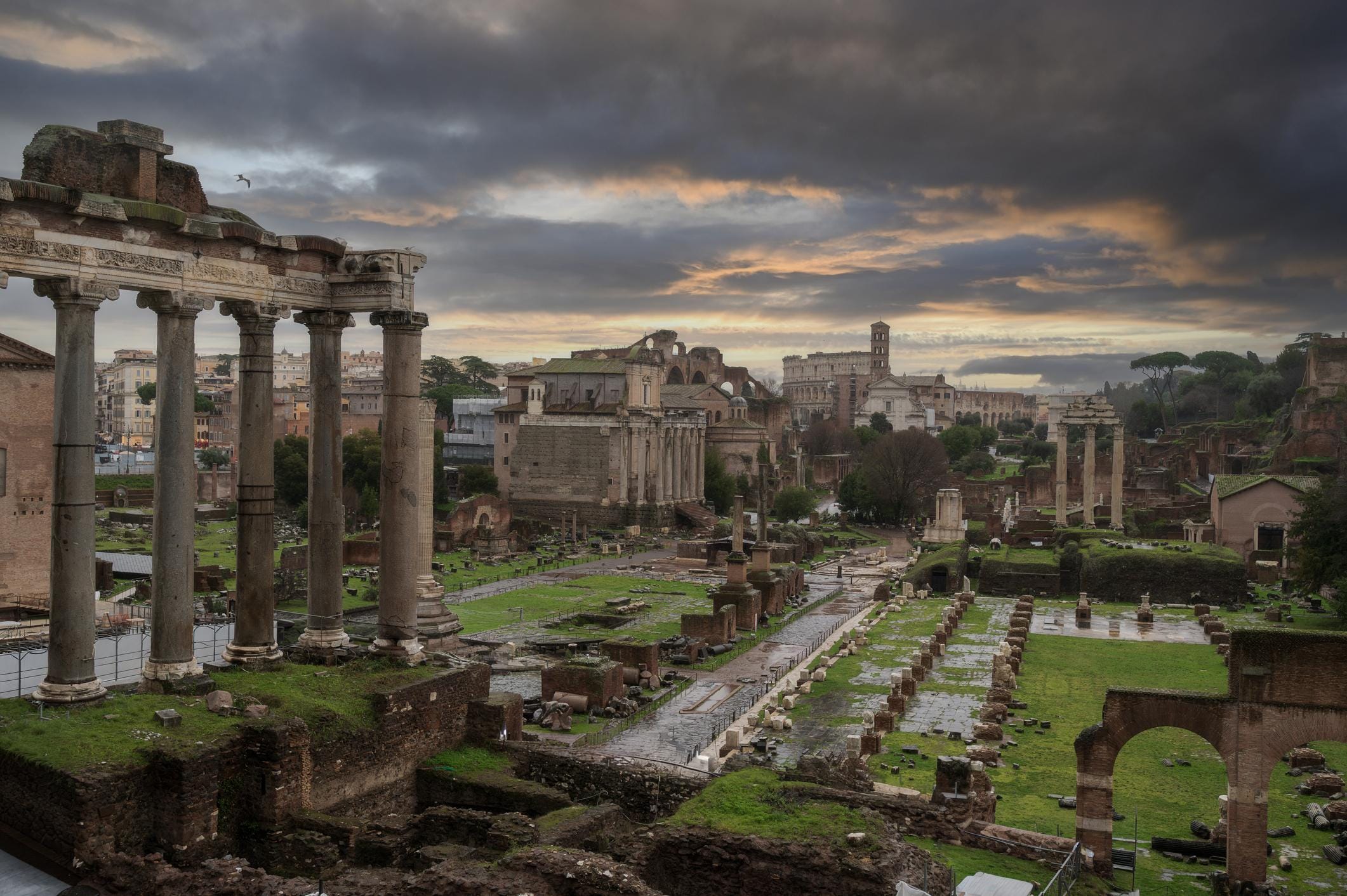
The Forum feels calm now — sunlight on broken columns, the low hum of conversation, footsteps scattering gravel.
But the ground hasn’t changed. Blood sometimes soaked the soil here.
This was not only a place of ideas and public life. It was a stage where politics became personal, and the consequences became visible to anyone who passed through.
That’s the detail most people miss.
Not the speeches.
Not the architecture.
But the fact that, in the center of Rome, words and violence once shared the same platform.
And for a moment—standing there in the late afternoon sun—it isn’t hard to imagine the packed crowd in tunics and sandals.
Silent.
Watching.
Where tourists now pass without a second thought on their way to the Colosseum.
Most people walk past places like this without knowing what happened there.
If you want to see them differently, consider subscribing.