
Ancient Rome Wasn’t Preserved. It Was Cannibalized
Men climbed the ruins and stripped them for stone and metal.

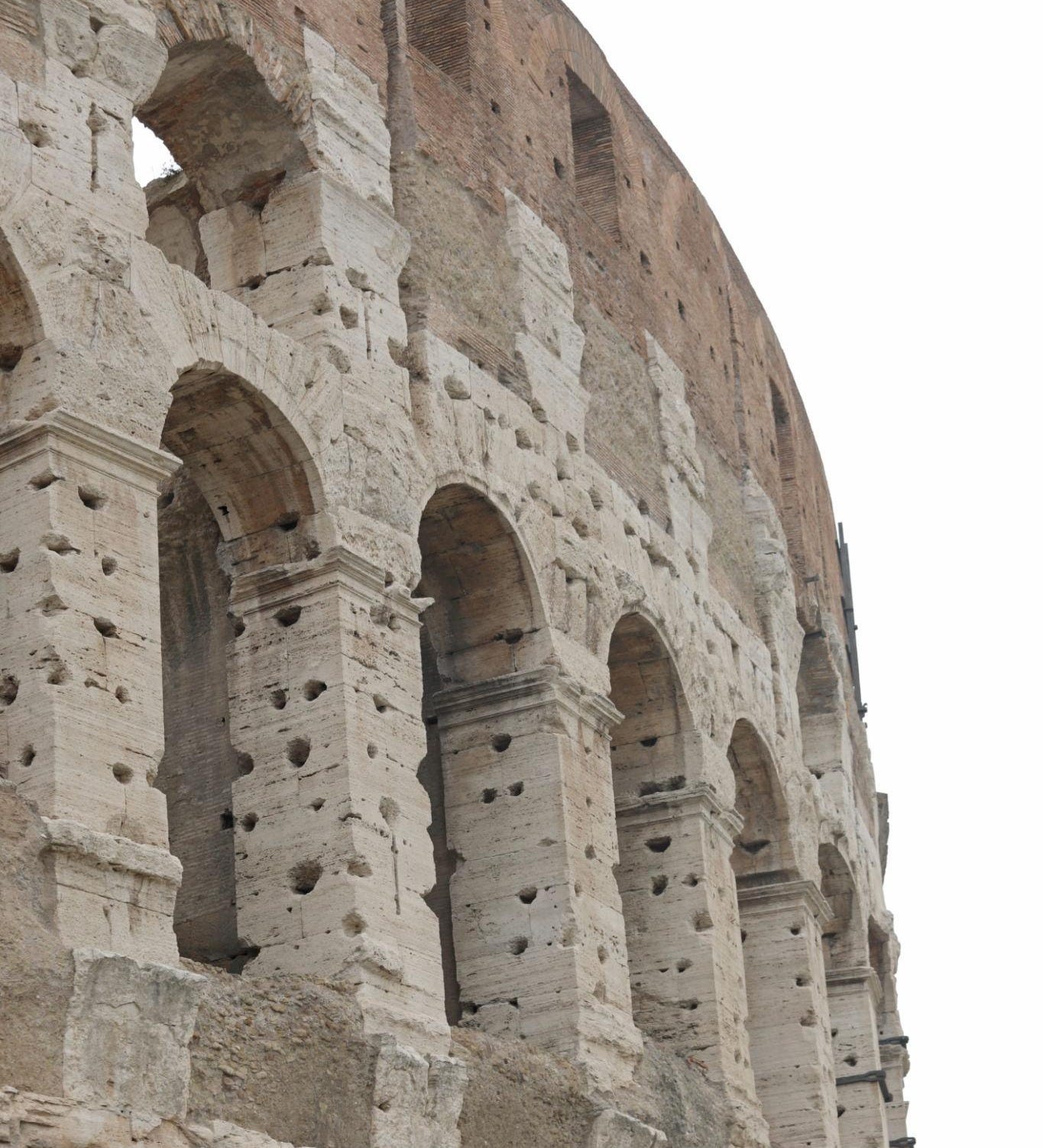
Those holes in Rome aren’t damage. They’re where the metal was ripped out.
Want more details like this - historic details that most people walk past?
Subscribe free and I’ll send you a short guide:
“10 Things in Rome Most People Miss.”
Men climbed over broken columns carrying iron hammers and picks.
Metal struck stone — sharp, ringing blows that echoed through empty arches. Sometimes, cows grazed nearby.
They jammed picks into seams and drove chisels into hairline cracks.
The wedges came next. The men hammered them in deep, until the massive stones shifted. Long iron bars were slid into the gaps. Pressure built slowly, then a sudden break as the blocks tore loose.
They didn’t just chip at the surface. They drove iron into the joints, pried the stones apart, and tore out the metal that held Rome together.
They weren’t preserving ancient Rome. They were ripping it apart.
Marble was removed - block by block. Ropes tightened, and horses pulled. Stone scraped across the dirt and weeds. Sweating men and straining beasts against the weight.
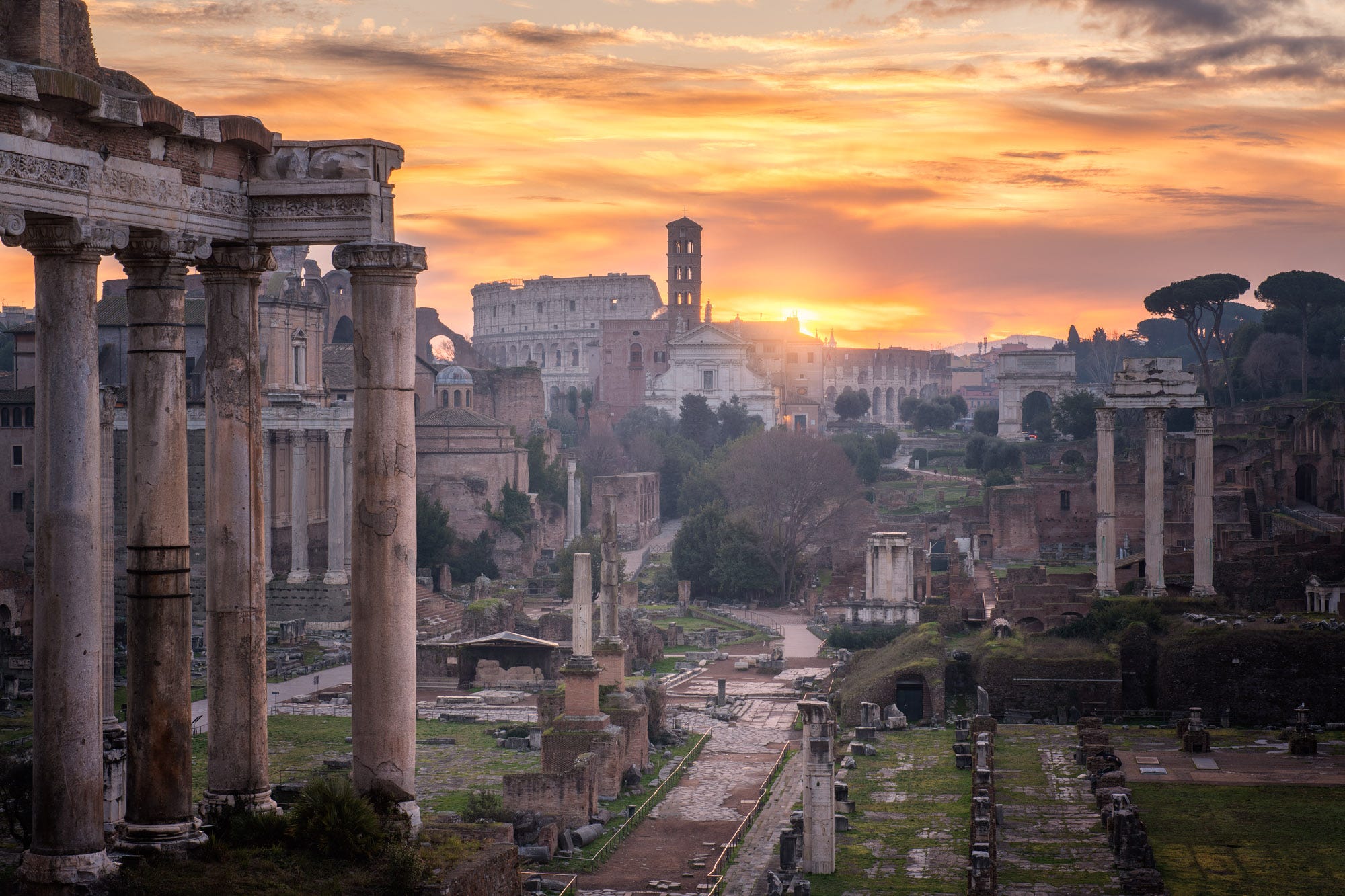
What tourists see in the Roman Forum today was mostly intact for hundreds of years. Until it was stripped for parts.
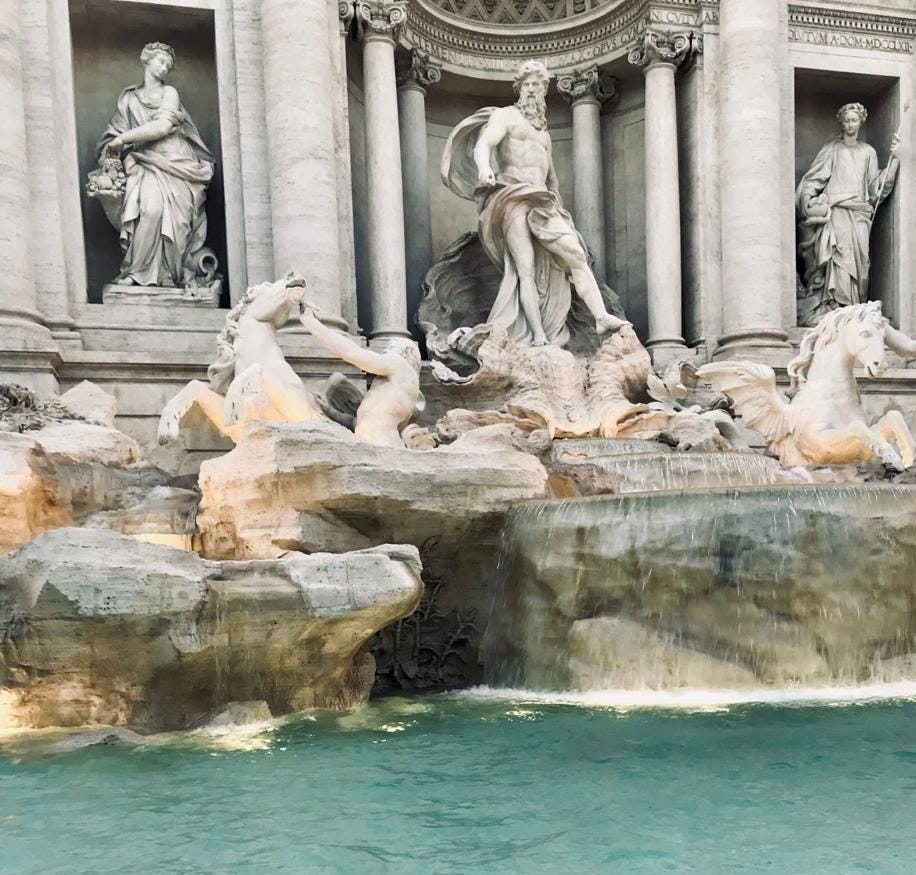
The Trevi Fountain and parts of Vatican City were built from what was taken. But stone was not the only target.
In the Middle Ages, metal was harder to produce than marble. Iron had value. Bronze was worth much more.
So, men climbed on ancient buildings like the Temple of Vesta again. They found iron clamps buried in the stones. Drove picks into the marble seams and tore the brackets and braces out.
Sometimes they heated the metal clamps until they expanded. Then, shock-cooled them with cold water until the stone shattered around them.
You can see the result today.
Stand beside a column in the Roman Forum and look closely. You’ll see small rectangular holes cut into the stone, often just a few inches wide, spaced in a line where blocks meet.
They’re too clean to be damage, and too deliberate to be decay. Each one marks where an iron or bronze clamp once sat, locking two stones together from the inside.
The metal is gone in the Forum and the Pantheon. Only the empty cuts remain.
The gouges aren’t weathering. They’re wounds.
Rough-edged cavities punched into the surface where metal once held the structure tight.
Stand close and trace them with your fingers — cold, uneven, torn open.
Rome wasn’t just abandoned after the fall. It was dismantled, piece by piece.
You just read something most people never notice.
If you want more like this, subscribe free.
Subscribe free and I’ll send you a short guide:
“10 Things in Rome Most People Miss.”