

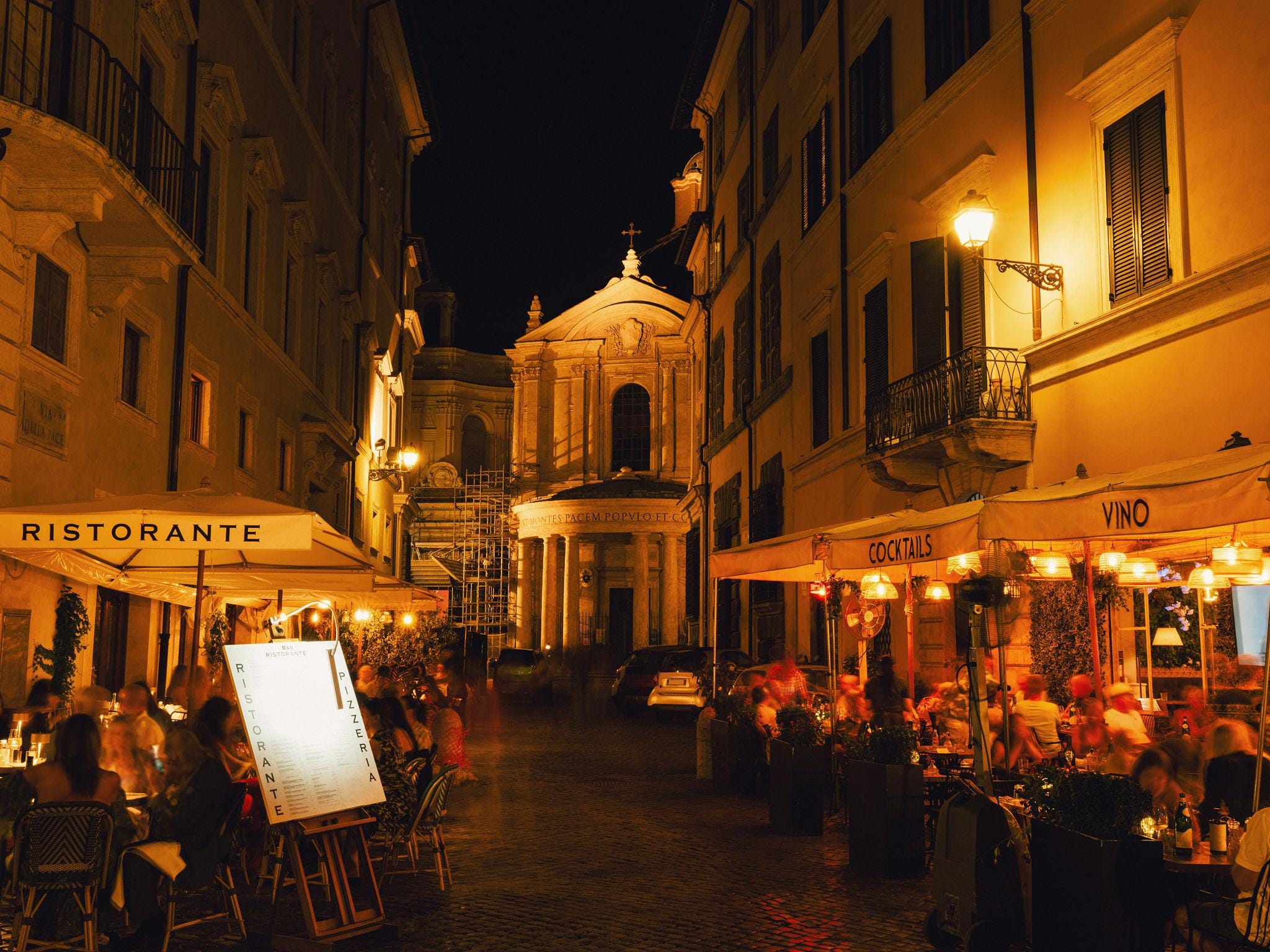
Most people land in Rome and order pizza.
Don’t.
That’s how you miss the entire point of the city.
They often leave without ever tasting what the city actually does best. I didn’t understand this the first time I went either.
A better move: You order carbonara. You think you know what’s coming. After all, you had carbonara in the US.
You don’t know.
You’re sitting outside on a narrow street in Trastevere. Or maybe near Campo de’ Fiori.
Metal chairs scrape stone. Glasses knock lightly on white tablecloths. A scooter cuts through the street behind you. Bread hits the table. No butter.
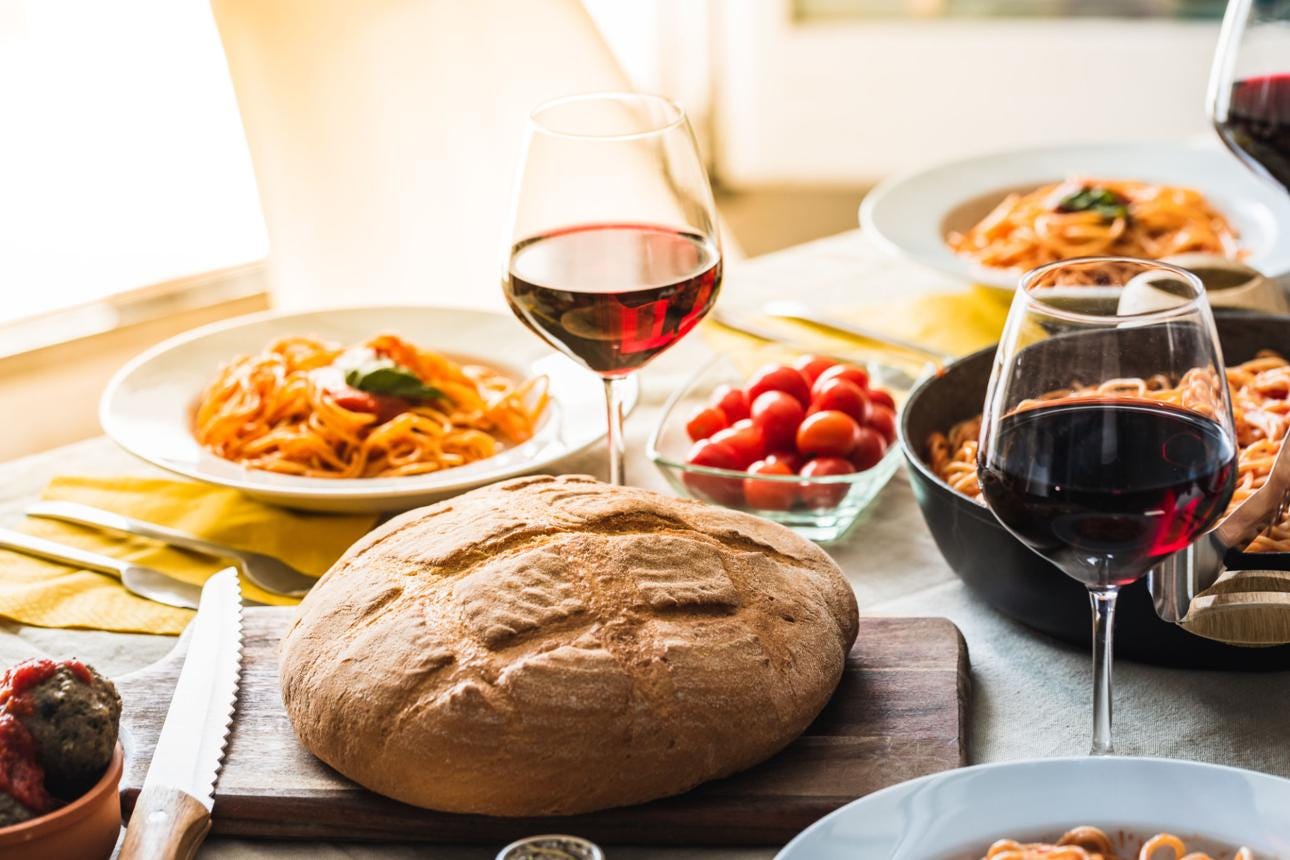
Red wine. Dark. Slightly warm.
The waiter doesn’t explain anything.
Plates start moving. You smell it before you see it—
hot fat, sharp pecorino, black pepper opening in the air.
Then the steaming plate lands. Carbonera Rome style.
No cream. No pool of sauce.
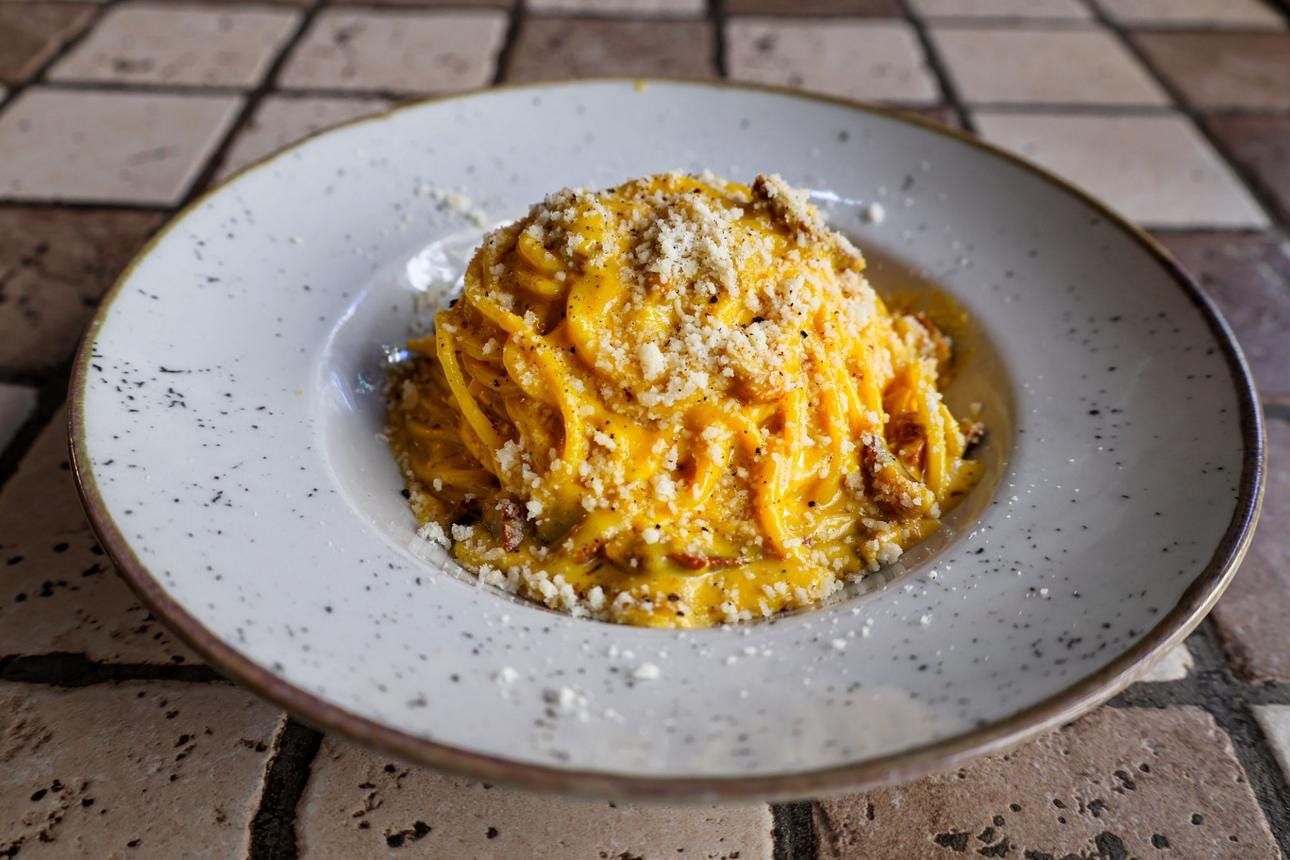
Just pasta — glossy, tight, almost dry-looking at first glance.
No Cream. Not Ever.
The creaminess isn’t cream. It’s an emulsion.
Egg yolk. Pasta water. Rendered fat. Heat. Timing.
Done in a sequence that either works— or breaks instantly.
Look closely. The sauce doesn’t sit under the pasta.
It clings. Every strand coated. Nothing left behind.
Romans will tell you this with quiet intensity. Not rudeness.
Intensity.
The difference matters, just as proportions matter in a structure. You don’t see it—but everything depends on it. Add cream, and you’ve made something else.
Most people miss details like this in Rome.
I put together a free report that I give to free subscribers.
“10 Things Most People Miss in Rome.”
Short. Specific. The kind of details that change how you see the city.
Good, maybe. But cream doesn’t make THIS.
The Specific Pig
The smell gives it away first. Not bacon.
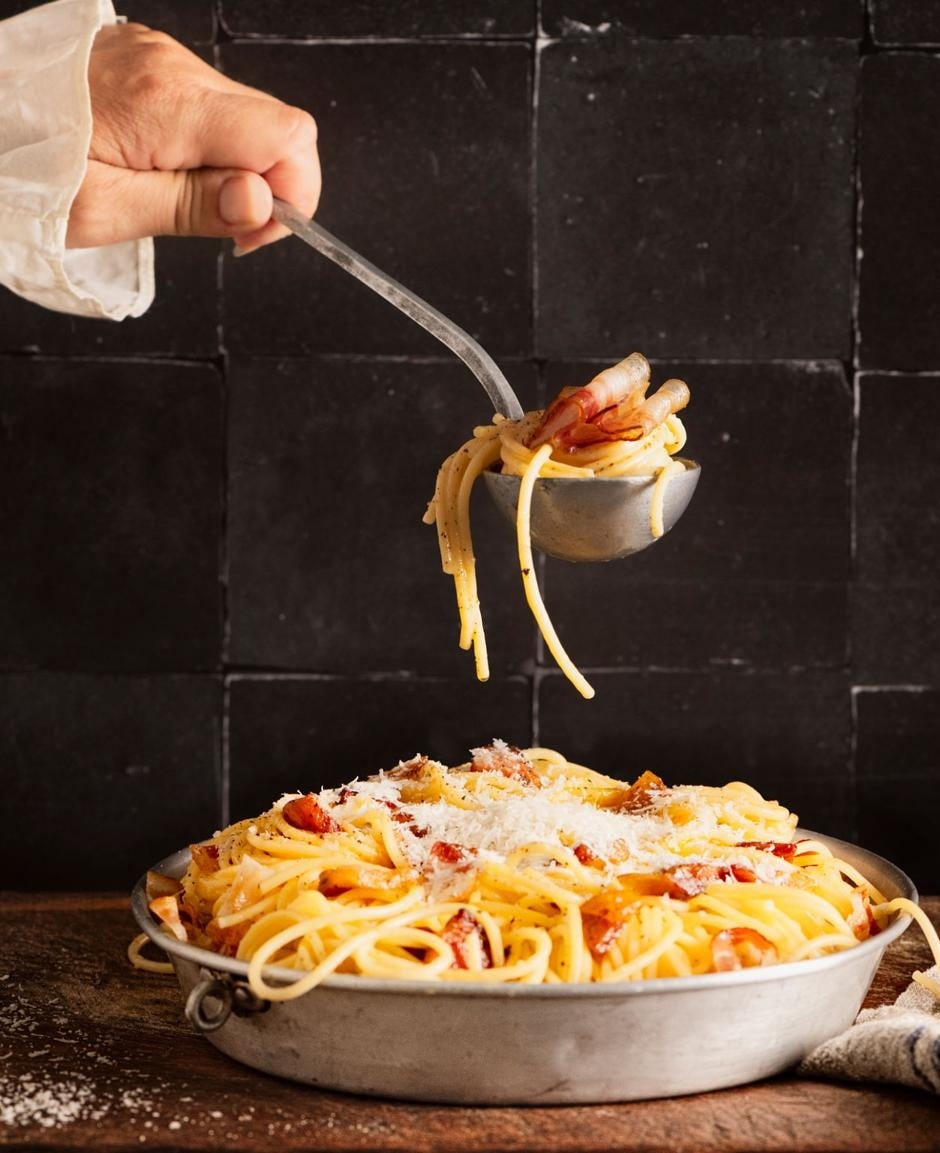
Deeper. Rounder. Almost sweet as it hits the pan. It’s guanciale—cured pork cheek.
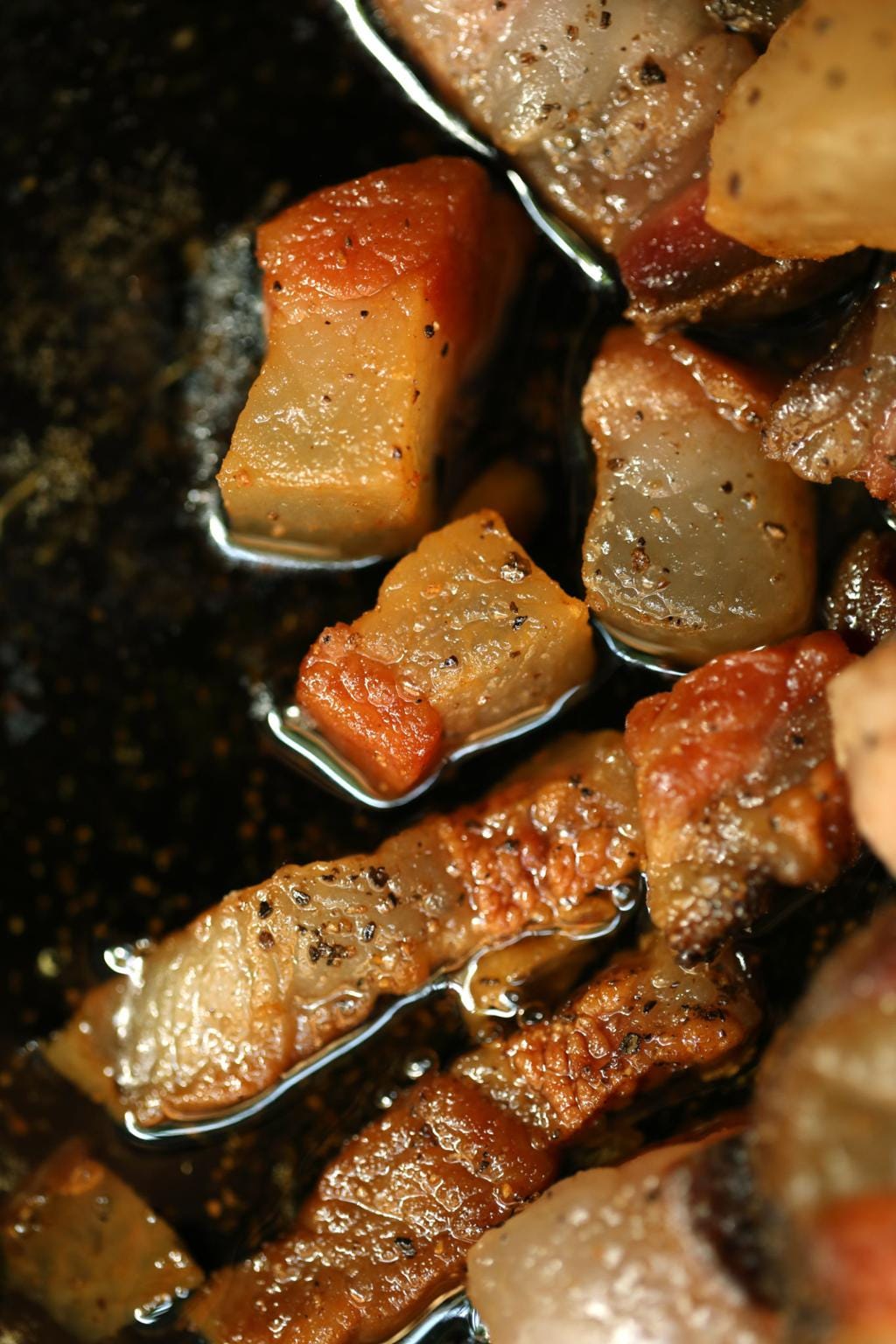
If you pass the kitchen, you’ll see it. Thick strips in a steel pan. Edges tightening. Fat turning clear before it crisps.
You can hear it too—a low, steady sizzle. That fat becomes the base of everything.
Pancetta gets close enough to fool you. Bacon gives you smoke—but the wrong texture, the wrong melt.
This is what Rome Carbonera is.
The fat behaves differently.
And here, the fat is doing half the work.
Where Carbonara Actually Came From
People want carbonara this good to be from ancient Rome. It isn’t.
The strongest version starts in 1944. American soldiers in Rome.
Powdered eggs. Bacon. Rations. Roman kitchens already had pasta, cheese, pork fat.
The combination happened fast. Improvised. Practical.
Then refined. Within a few years, it wasn’t improvisation anymore.
It was a dish. Within a few decades, it had rules.
What you’re eating isn’t ancient Rome. It’s postwar Rome—tightened, repeated, perfected.
A Note On Pizza
Rome has pizza.
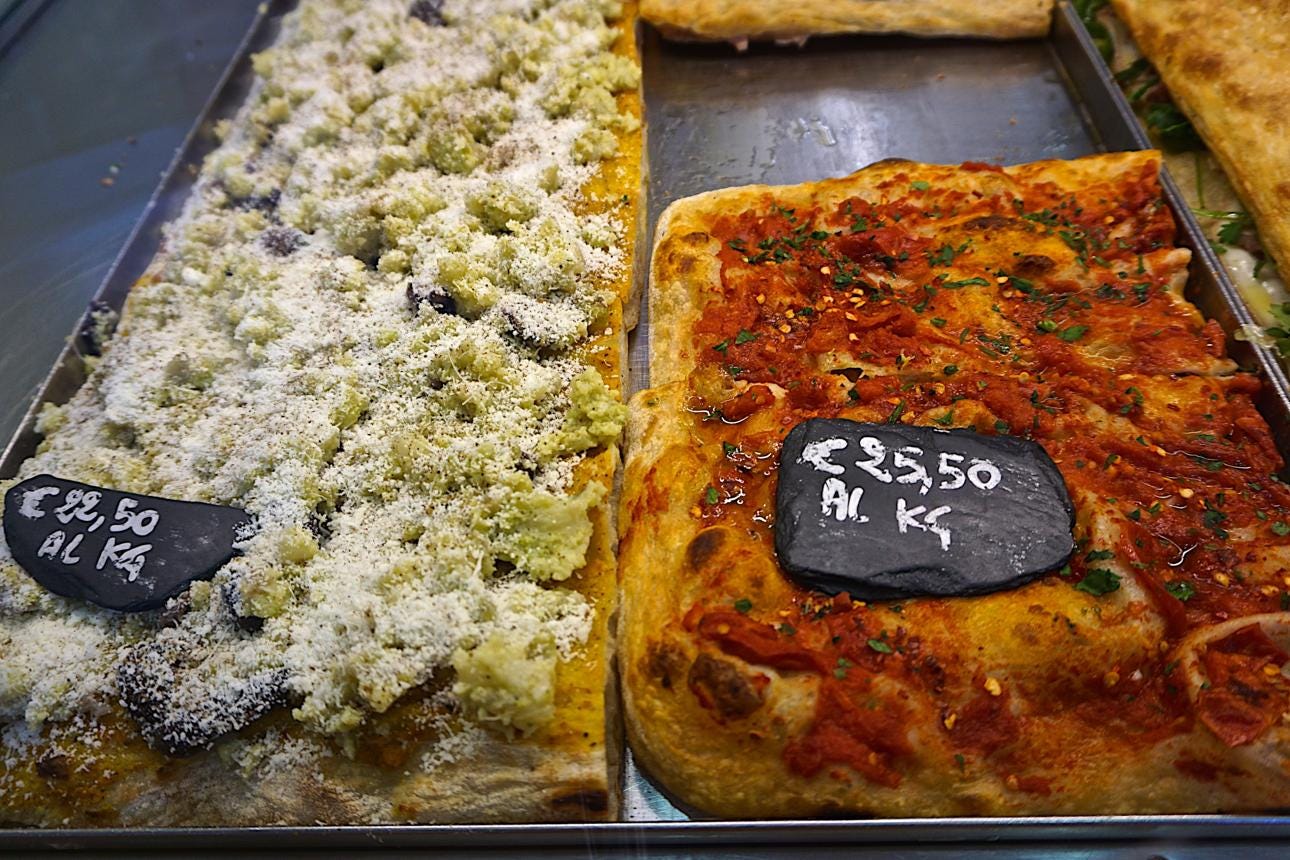
You’ll see it everywhere — rectangular slices behind glass, sold by weight. Thin crusts at night, crisp, almost cracking when you cut them.
It’s good. But it’s not the point.
That belongs further south. Rome’s obsession is quieter.
Four pastas. Same ingredients.
Different balance.
Repeated. Adjusted. Judged. Every day.
What You’re Actually Eating
The first bite isn’t what you expect. No heavy sauce.
No blanket of richness. It’s sharper than that.
Salt from the pecorino. Heat from the pepper. Fat coats your mouth without weighing it down.
You taste each piece separately. Then all at once.
The texture changes as you chew. The sauce tightens, then releases.
Somewhere between the second and third bite — it clicks.
This is what Rome does best. What every tourist must experience.
Real carbonara isn’t just pasta.
It’s a place. A method. A set of decisions that don’t bend.
You can get “carbonara” anywhere now.
But this version— sitting on a Roman street, plates clattering, scooters passing, the smell of guanciale still hanging in the air—
That doesn’t travel like the name.
If you’re going to Rome, don’t do it like everyone else. Get your free report — “10 Things Most People Miss in Rome”
I write about details most people walk past.
Subscribe to see them before your next trip.
More unknown details about Rome you learn at Unpaid Observer: