
Why Romans Put Fish Sauce (Garum) on Almost Everything They Ate?
Garum, the fermented fish sauce that flavored nearly every meal in the Roman world.


I was walking through Rome one cool December evening when the smell of food drifted out of a small family trattoria on Via dei Coronari, one of the city’s narrow cobblestone streets not far from Piazza Navona.
Garlic.
Olive oil.
Ripe tomatoes simmering slowly in a pan.
Someone inside was making carbonara — one of Rome’s legendary specialties.
In modern Rome, food odors follow you through its web of narrow streets.
But two millennia ago, the air carried very different aromas.
They often came from clay jars packed with fermenting fish.
The Romans called it garum.
Garum was one of the most popular condiments in the Roman world. Everyone ate it — wealthy senators, merchants, soldiers, slaves, and farmers.
It was made by layering small fish — or sometimes fish entrails — with large amounts of salt.
The mixture was placed in large clay vats and left to ferment in the Mediterranean sun for several weeks.
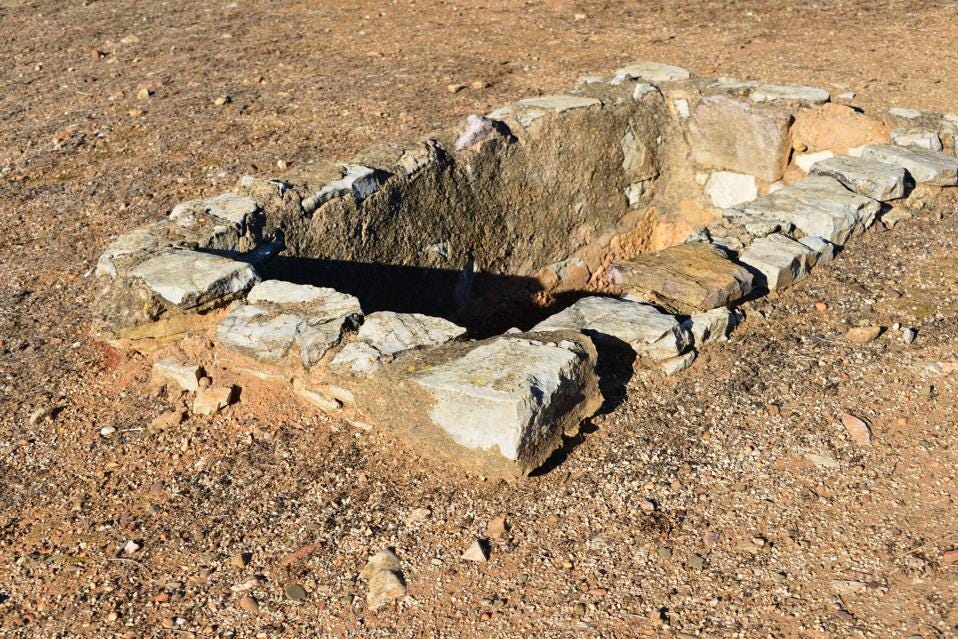
As the fish slowly broke down, a clear liquid rose to the top.
That liquid was strained and bottled.
That liquid was garum.
Romans poured it on nearly everything:
Vegetables
Meat
Seafood
Stews
Eggs
Even bread
Roman cooks sometimes mixed garum with wine or vinegar to create different sauces, and ancient recipes even show it being added to fruit dishes.
Think of garum the way fish sauce is used in Southeast Asian cooking today — salty, savory, and packed with flavor. A few drops could transform an entire dish.
Garum was popular throughout the Roman Republic and later the Empire. Pompeii even had several garum factories along its streets.
One famous producer was Aulus Umbricius Scaurus, whose branded jars have been discovered in the ruins of Pompeii. Some still contained traces of the sauce when archaeologists found them.
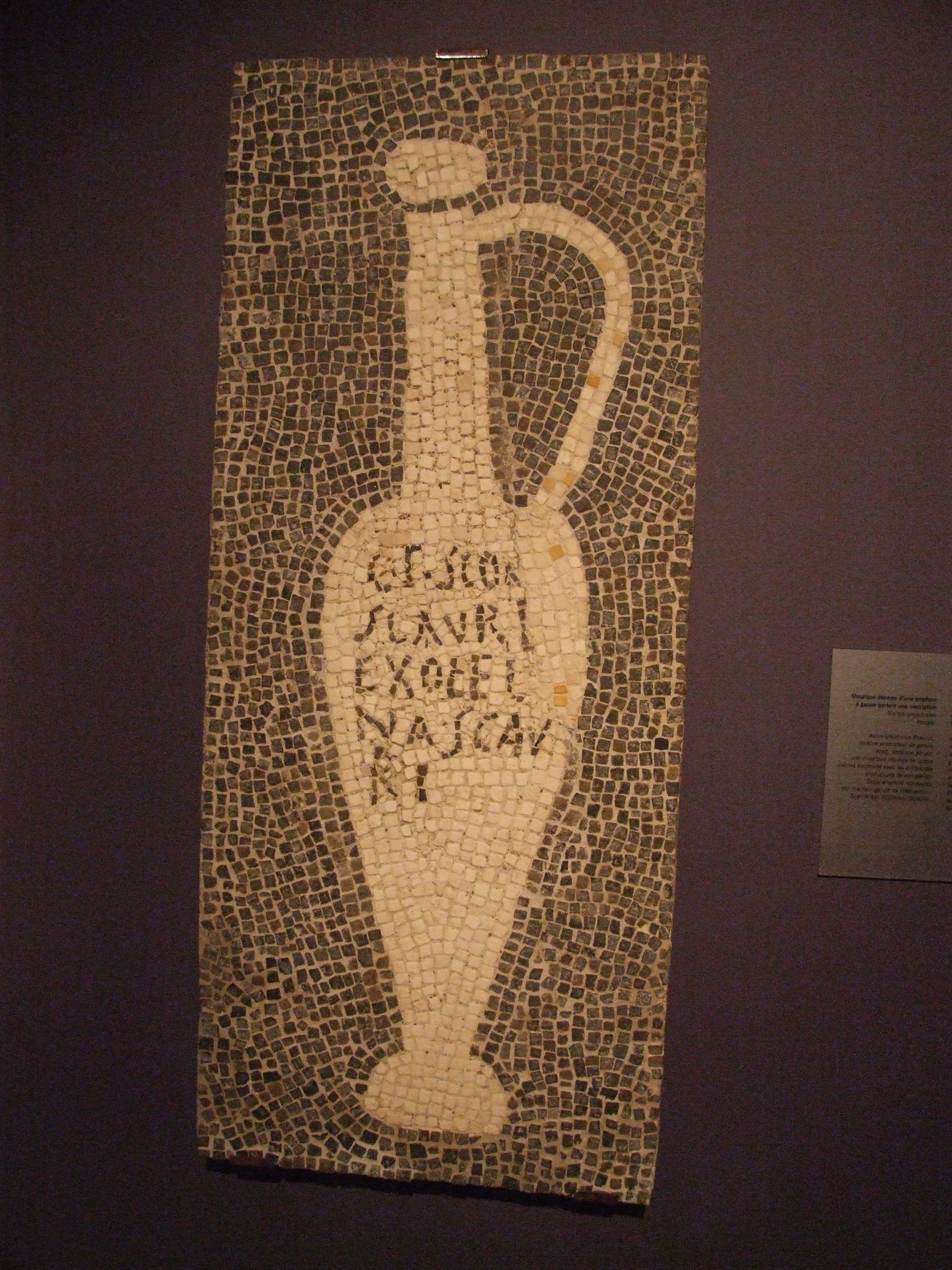
In Pompeii, mosaics even advertised garum shops.
High-quality garum could be expensive and was traded across the Roman world, from Spain to North Africa. The finest version, called garum flos, was prized by wealthy Romans, while the thicker paste left behind — called allec — was eaten by poorer households and slaves.
Some of the most prized garum came from Roman Spain. Large coastal factories produced the sauce and shipped it across the Mediterranean in clay amphorae.
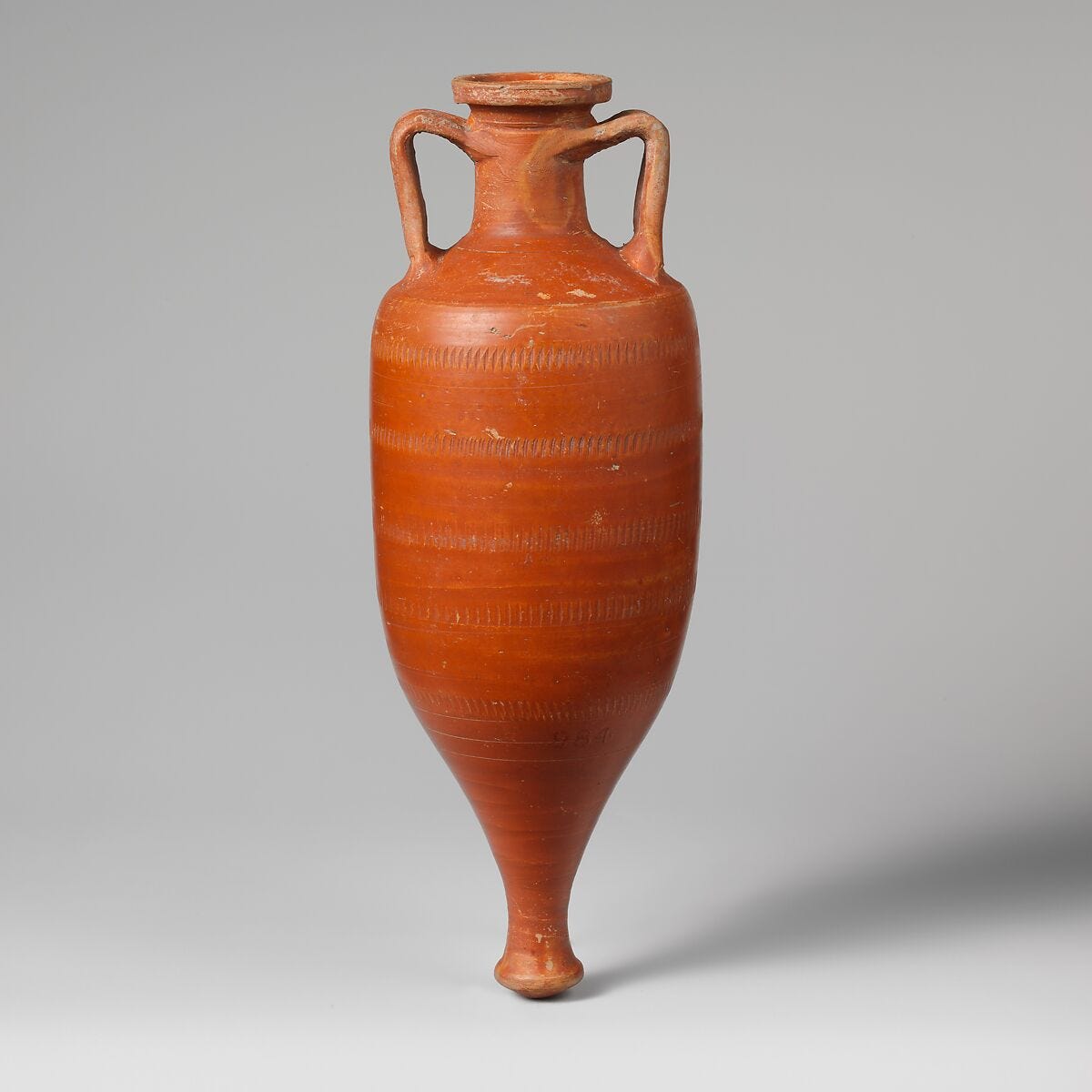
During production, the smell must have been intense. Large vats of fish sat in the sun for weeks, slowly fermenting.
Today, the common smells of Rome are pizza, espresso, and simmering tomato sauce.
But if you had walked these streets around 100 AD, one scent would have been unmistakable.
Fermenting fish.
The smell of garum.
If you enjoy short stories about history and the places where it happened, consider subscribing to Unpaid Observer. New essays arrive regularly.
That's figuring out how the Romans were really avant time compare where we are now.