
Venice Stands on Millions of Trees Driven Into Mud
The entire city depends on wood that never rots.

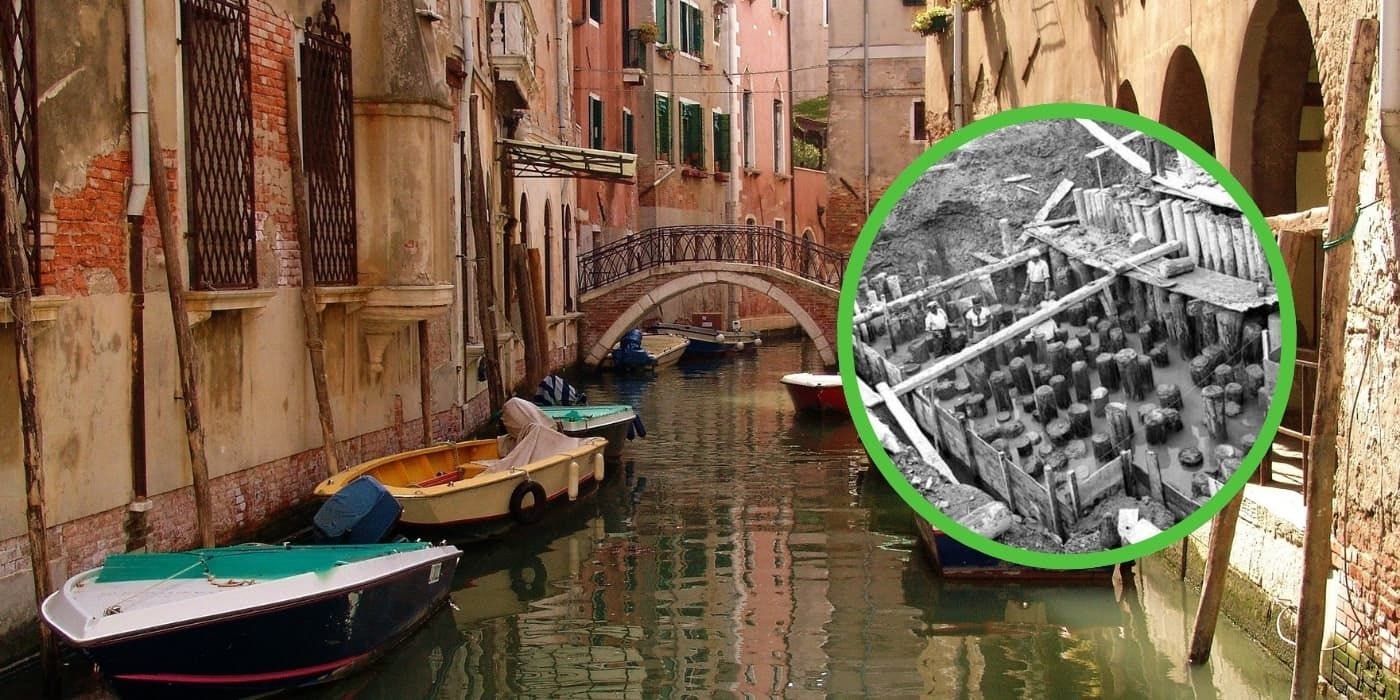
Venice stands on millions of trees driven into mud.
Not stone. Not bedrock. Wood.
The entire city depends on it.
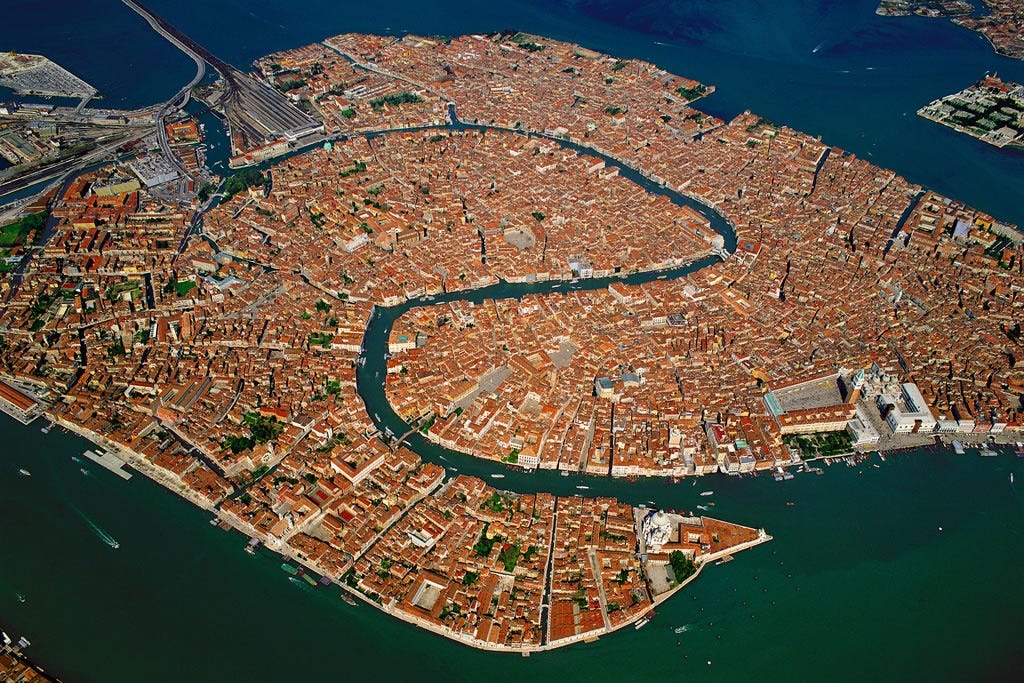
More than 100 small islands—
all of them standing on a vast forest of wooden pilings.
Venice should not exist.
It should be an empty lagoon of mud and water. Nothing else.
Not a bustling city built on soft mud, shifting water, nothing solid hold anything.
Venice wasn’t founded in a single moment.
It formed in the 5th century, after the Roman Empire fell, as people fled into the lagoon and built where no city should exist.
So they forced one into existence—
using nothing but human strength and will.
They cut down nearby forests.
Not a few trees.
Millions.
Alder. Oak. Larch.
Trunks hauled to the water’s edge with carts and horses, stripped by hand,
their ends sharpened with iron blades.
Dragged. Loaded. Floated out on low wooden barges
into the gray, brackish lagoon.
If details like this change how you see a place,
there’s more just like it below.
Venice. Rome. Pompeii. The things most people walk past.
When the Lights in St. Mark’s Basilica Lit Up - Venice
Closer to the Water Than the Light - St. Mark’s Basilica Crypt, Venice
Then the backbreaking work began.
Men standing over open water, guiding each trunk straight down into the mud.
Heavy wooden frames.
Ropes. Pulleys.
The dull, repeated удар —
Wood striking wood.
Again.
Again.
Again.
Driving each piling deeper.
Through silt.
Through sludge.
Until it hit something that would hold.
Not one.
Thousands.
Then tens of thousands.
Then millions.
Driven side by side until the water itself seemed to disappear beneath them—
replaced by a forest turned upside down.
On top of that, they built a new city.
Stone.
Brick.
Marble.
Palaces rising where there should have been nothing.
Entire neighborhoods resting on timber no one would ever see again.
And still—
the strangest part.
The wood never rots.
Not because it’s treated.
Because it’s buried.
Sealed beneath water and mud,
cut off from oxygen,
where the organisms that consume wood cannot live.
Over time, the wood hardens.
Minerals move in.
The structure tightens.
Slowly—
the wood becomes something closer to stone.
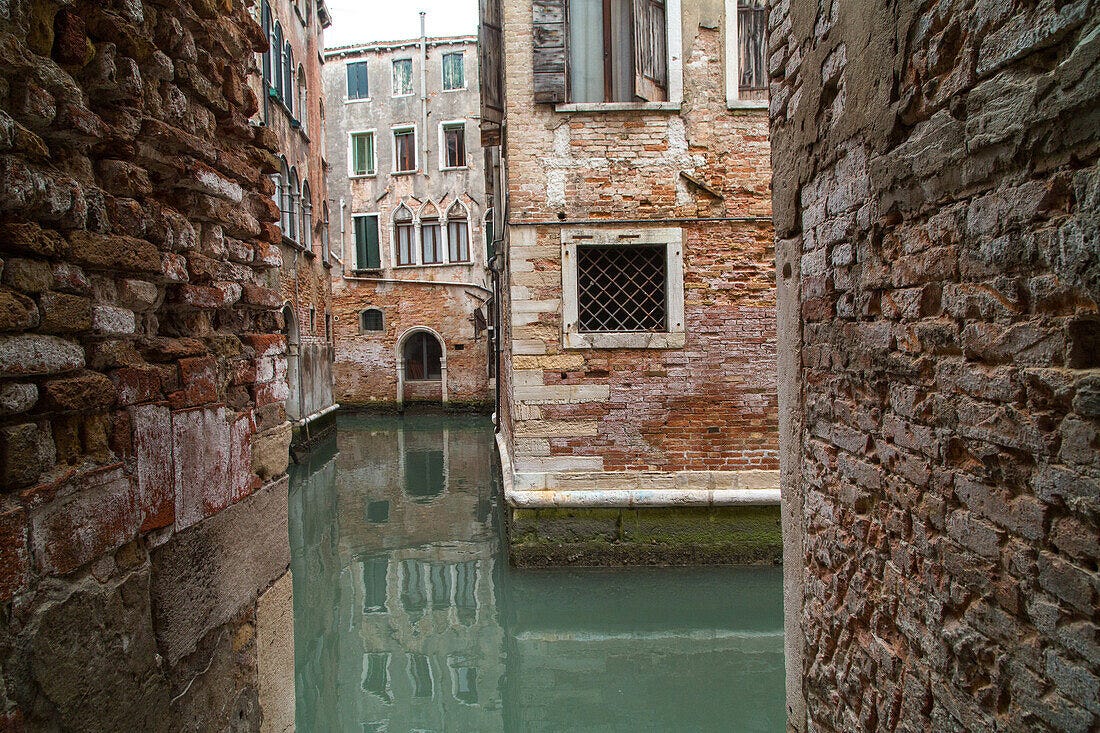
Below it—wood.
Venice doesn’t float.
It stands.
On millions of trees,
driven into the dark lagoon by hand—
still holding,
centuries later.
Most people walk past St. Mark’s Basilica,
past the palaces lining the canals—
never knowing what lies beneath their feet.
Most people walk past these places.
They never realize what they’re seeing.
If you don’t want to be one of them,
you can follow along weekly.