

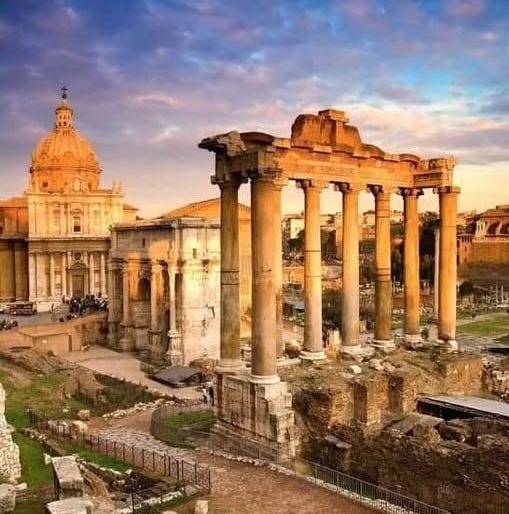
Most people visit Rome and see ruins. Stone. Columns. Broken pieces.
They take photos and move on. What they don’t see is what those places used to be—color on the walls, water moving through the floors, details built so precisely they still work.
This is a short list of things most people walk past. The ones that change how you see the entire city.
Unpaid Observer notices these fascinating details in history, art, and culture and shares them weekly. Subscribe free today.
1. Rome wasn’t white. It was painted.
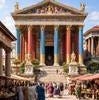
Walk through Roman Forum and everything looks pale—stone, dust, fragments.
That’s not what it was.
Walls were coated in deep reds made from iron-rich earth. Statues were painted. Details picked out in color you can still see in small protected patches.
What looks ancient and faded now was once bright, sharp, and deliberate.
2. The Roman Forum sits buried beneath the modern city
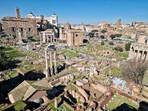
Stand in the Roman Forum, and you’re already below street level.
Look up.
You’ll see modern Rome above you—roads, sidewalks, buildings.
Over centuries, debris, collapse, and rebuilding raised the ground. The ancient city didn’t disappear.
It was covered.
3. For centuries, the Forum was a cow pasture
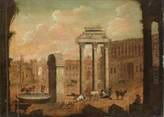
After the empire fell, no one preserved the Forum.
They forgot it.
Grass grew between broken columns. Animals wandered through what had been the center of Roman life.
It was called Campo Vaccino—the cow field.
The silence you feel there today isn’t new.
4. The Pantheon’s columns are shorter than intended
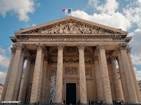
The granite columns of the Pantheon came from Egypt.
But something went wrong.
They arrived shorter than planned—cut or damaged before shipment. Instead of redesigning the building, the Romans adjusted everything else to fit.
You’re looking at a compromise executed so precisely it feels intentional.
5. Rain falls through the Pantheon—and it still doesn’t flood
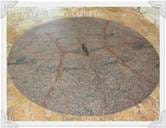
Stand under the oculus in the Pantheon during rain.
You’ll hear it before you see it—drops hitting stone, echoing upward into the dome.
Water falls directly onto the floor.
Look down and you’ll notice slight slopes and small, almost invisible drains cut into the marble.
It disappears as fast as it lands.
6. The Rostra displayed more than speeches
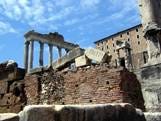
The Rostra was where leaders addressed the public.
But not every message was spoken.
After political violence, heads and hands of enemies were displayed there as warnings.
The same platform that carried speeches also carried silence.
7. You are still walking on ancient volcanic stone streets
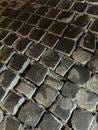
Look down as you walk through Rome.
The dark, uneven stones under your feet are volcanic—basalt, cut and set nearly 2,000 years ago.
You can see the grooves worn into them from wheels, the slight polish from centuries of footsteps.
They are not replicas.
They are still in use.
8. Blue was rare—and difficult to make
Red was easy. Yellow came from the earth.
Blue was different.
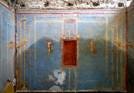
To make it, Romans had to heat sand, copper, and minerals to high temperatures in controlled conditions. The result—Egyptian blue—was expensive and used sparingly.
When you see traces of it, you’re looking at something deliberately rare.
9. The Pantheon’s bronze ceiling was stripped and reused
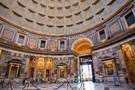
The Pantheon once had bronze panels lining parts of its structure.
They’re gone.
In the 1600s, much of that metal was removed, melted down, and reused elsewhere in the city.
What feels ancient and untouched has already been taken once.
10. They stripped ancient Rome for parts
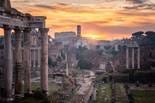
After the fall, Rome wasn’t preserved.
It was dismantled.
Marble was burned into lime. Stone was pulled from temples. Bronze was melted and recast.
Walk through the city and you’ll see pieces of older Rome built into newer walls.
What survived isn’t everything. It’s what no one took.
Most people leave Rome without ever understanding what they saw.
You’ll learn what most people walk past – in Rome, Venice, Pompeii, famous artworks, and more. Subscribe today – free!