
The Vatican Didn’t Just Build Rome — It Took It Apart
The ruins you see today aren’t just what survived — they’re what was left behind.

During the Renaissance, Rome’s ruins became raw material. The city rebuilt itself by dismantling its past.
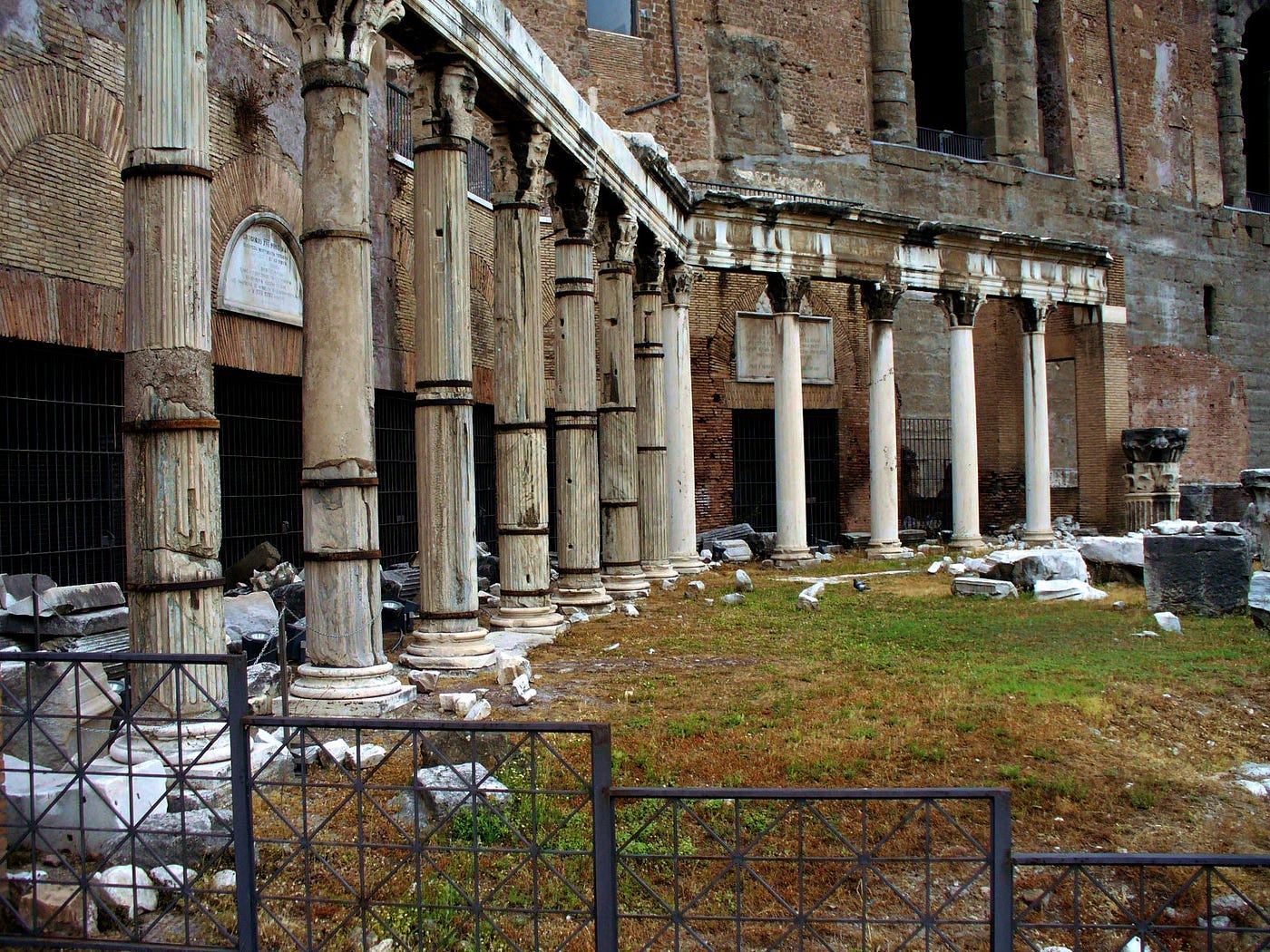
During the Renaissance, the Church turned ancient Rome into a quarry.
Between the 1400s and 1600s, popes set out to remake the city as the center of Christianity.
St. Peter’s rose. Palaces followed. Churches spread across the hills. They needed material.
They found it in Rome itself.
The Roman Forum.
The Colosseum.
Even the Pantheon.
Marble.
Bronze.
Stone.
They called the Forum the Campo Vaccino — the cow field. Grass underfoot. Cattle moving through broken columns.
And among them—men at work.
Iron tools biting into stone. Clamps torn from marble, cracking it open.
Columns cut down where they stood.
Hammers echoed. Stone split. Dust hung in the air.
Carts groaned under the weight of centuries. Rolling away to the Vatican complex.
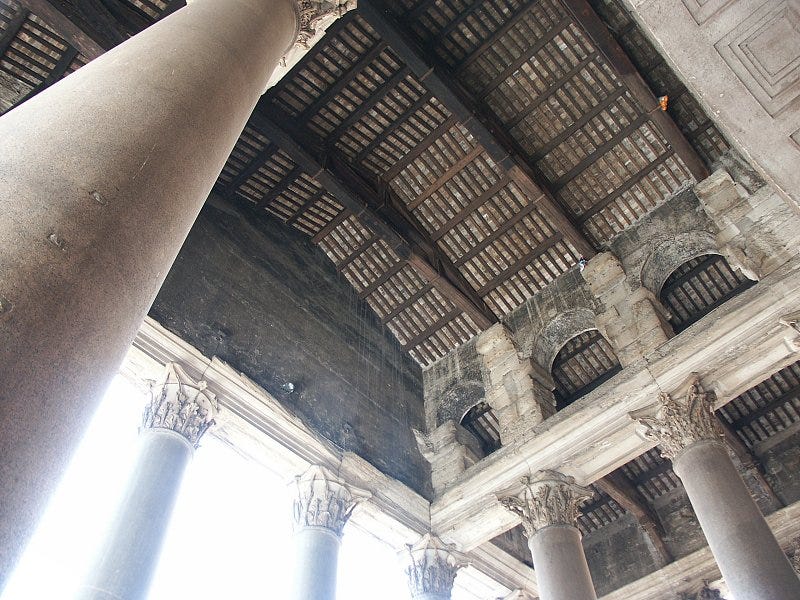
In 1625, Pope Urban VIII ordered bronze stripped from the Pantheon’s portico—melted down for St. Peter’s.
Romans noticed.
They said:
What the barbarians didn’t do, the Barberini did.
Some called it desecration. Others called it progress.
The Church called it reclamation—pagan Rome, remade for Christianity.
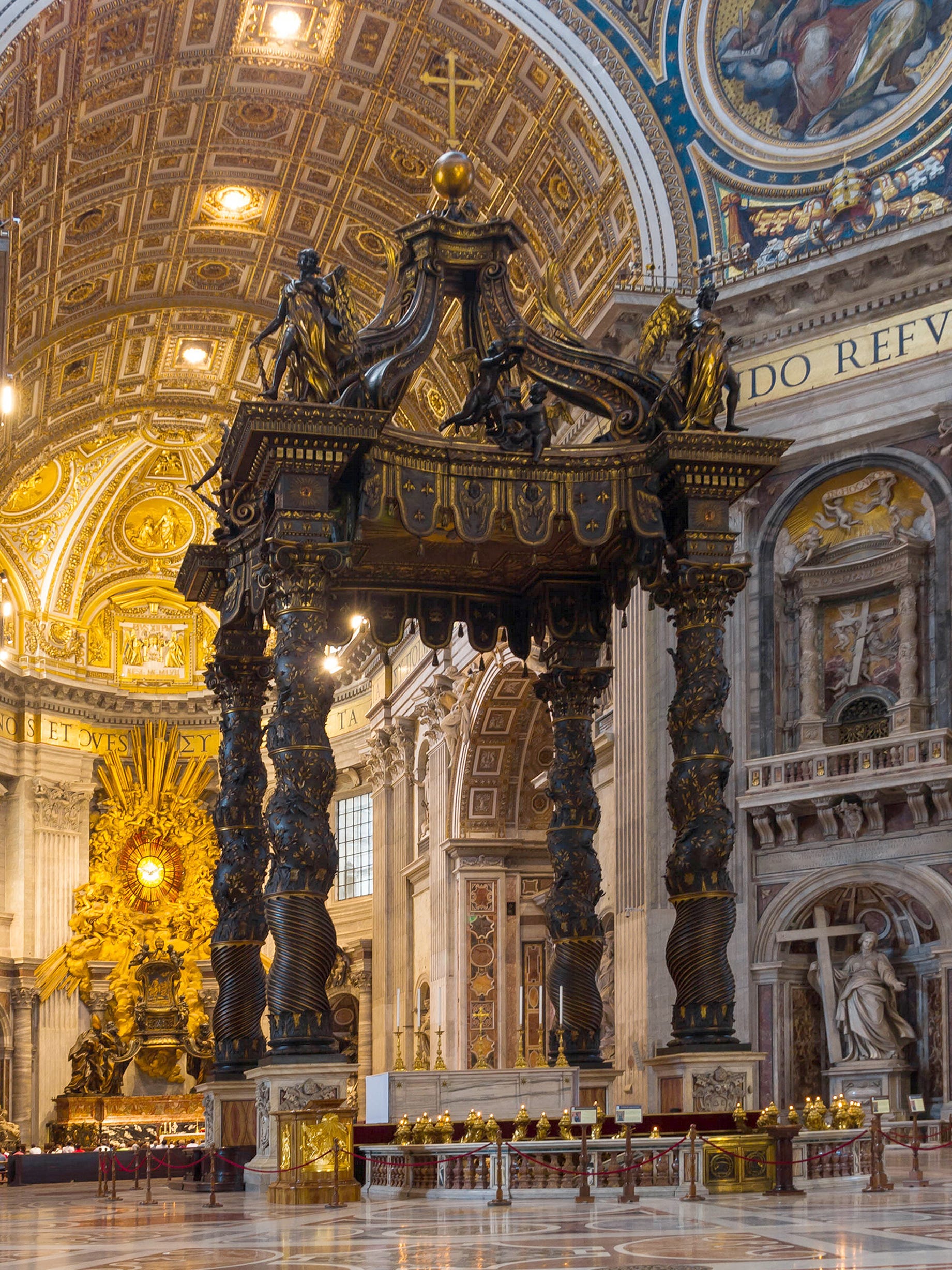
Centuries after the empire fell, Rome didn’t simply fade.
It was dismantled. Carried off.
And built again—into the Rome you see today.
If you enjoy details most people walk past, subscribe.
I write about the small things that make old places feel alive again.