
Venice’s Canals Still Flush the City Twice a Day
Below the still water, the city is constantly being carried away.

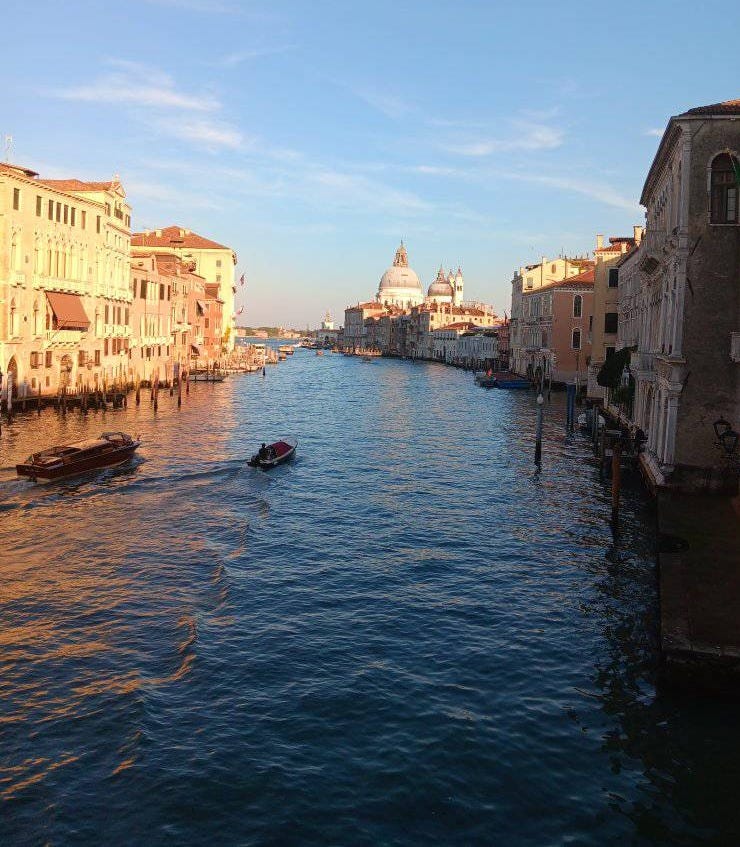
The canals look still in the morning.
They aren’t.
In the early morning, the narrow canals lie flat between the buildings, holding them perfectly in place.
Most tourists have not yet stirred. A bird calls somewhere out of sight. An occasional water taxi putters across the open water, its wake fading behind it.
Red, yellow, and orange buildings rest in the water, their edges almost too precise to believe.
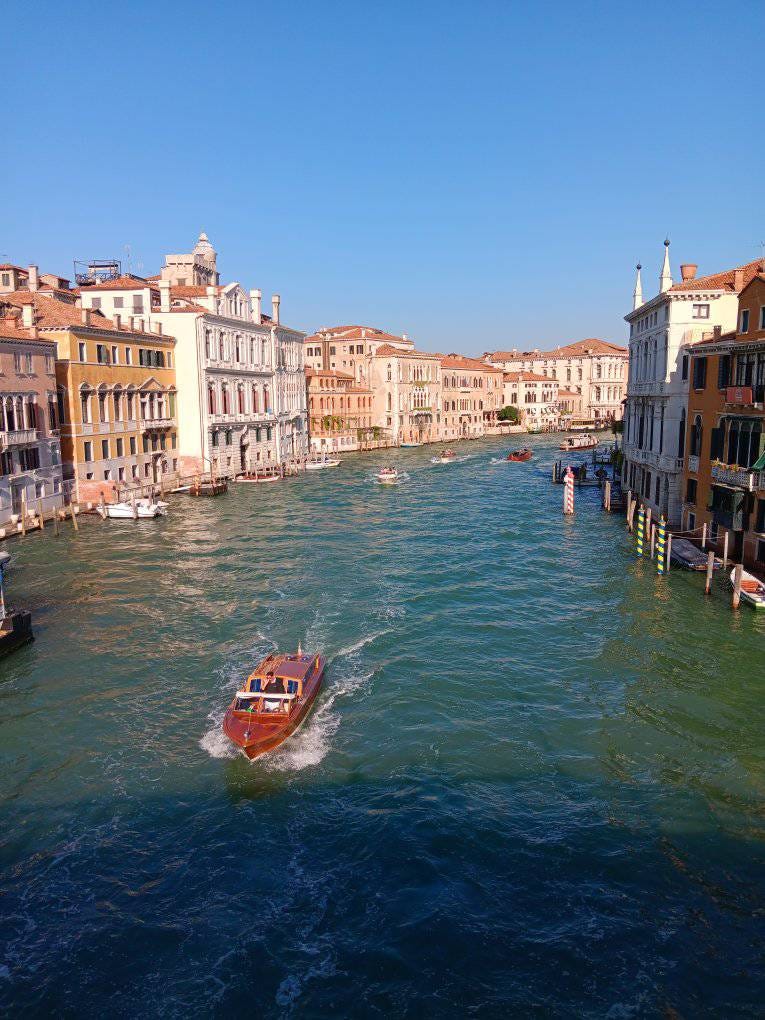
There is a faint smell in the air — salt, a touch of algae, something ancient carried in with the tide.
A gondola passes. The gondolier stands at the stern and rows, the oar slipping into the water without a sound.
The city feels clean and pure.
As if it has always been this way.
That is truer than most realize.
Venice never built a modern sewage system — a fact that surprises most visitors.
One reason swimming in the canals is discouraged becomes easier to understand once you know.
For centuries, everything has flowed into these canals. Twice a day, the tide rises and falls, pulling the city’s waste out toward the lagoon. It is a simple system, largely unchanged since the Renaissance, still doing its work just out of sight.
Venice depends on what you cannot see — how the canals of Venice work beneath the surface.
The same water that holds the morning light carries everything else beneath it. Beauty rests lightly atop something older, quieter, and essential.
I stand on a narrow bridge near a small espresso bar, the smell of coffee just behind me, and watch the water smooth itself back to glass.
Tourists begin to stir as the sun lifts above the buildings.
Very little here has changed in centuries.
The water moves slowly through the city, carrying what most people never think about.
From above, Venice looks effortless.
It isn’t.
Most things that last aren’t.
More pieces like this → Unpaid Observer
If you enjoy noticing small things like this, you can subscribe below.
One thing that’s easy to miss.... most of these canals don’t really “flow” the way people imagine. The water moves slowly with the tides, in and out of the lagoon. It’s part of what keeps the whole system alive.