
Pompeii Is Much Larger Than Most People Realize - And Most of It Is Still Buried
Nearly one-third of the Roman city remains buried beneath volcanic ash.

The turnstile clacks as I walk through the entrance to Pompeii.
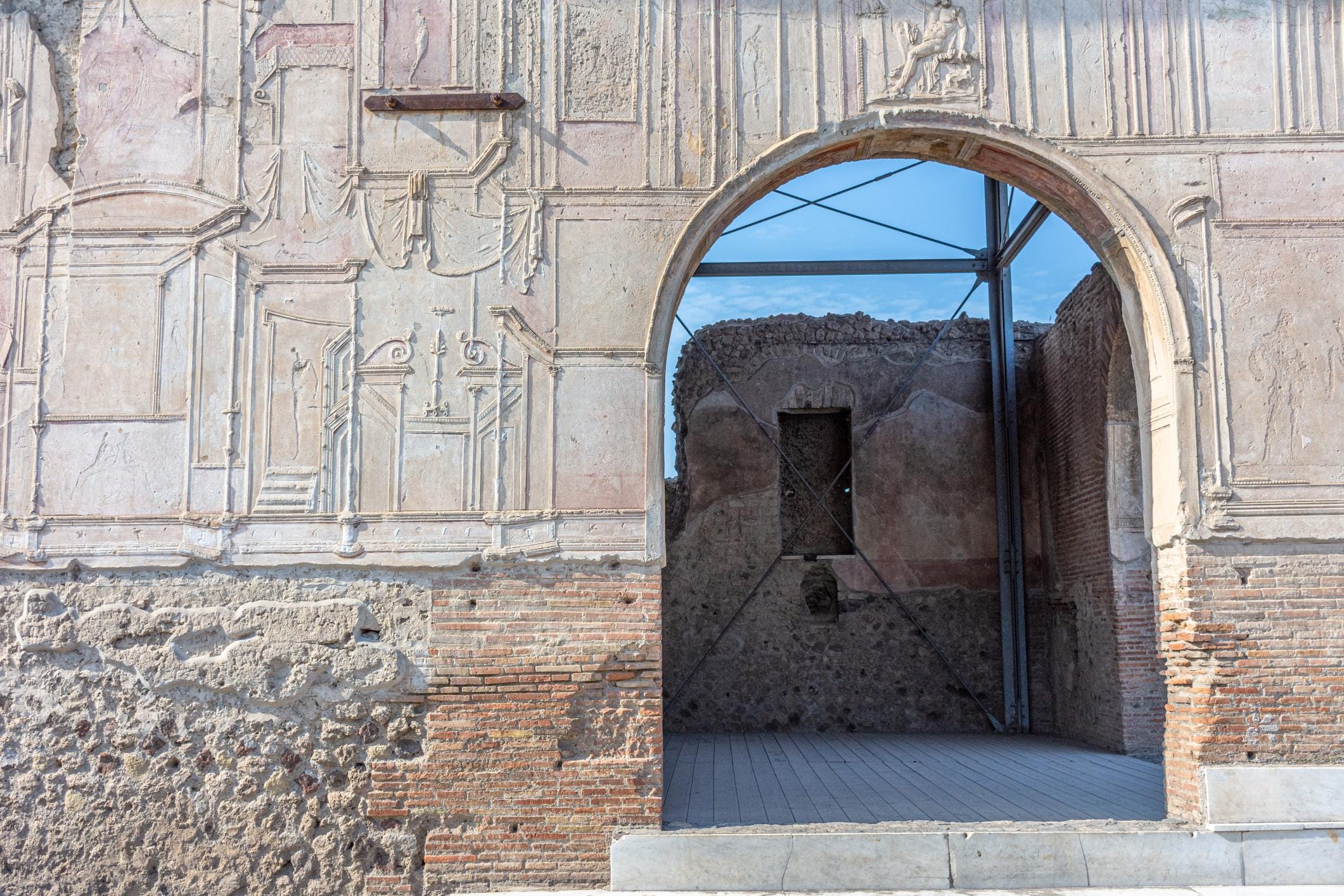
Visitors enter Pompeii through ancient city gates each day. Mount Vesuvius erupted in 79 AD.
Each year, about four million people pass through these gates to see a city buried nearly two thousand years ago beneath almost ten feet of volcanic ash from the eruption of Mount Vesuvius.
The morning air still smells faintly of rain. Slick cobblestones shine under a pale sun as I step toward the ruins.
In the grooves of the stone streets, I notice deep ruts carved by Roman cart wheels. The last wagons rolled through here nearly two thousand years ago.
Large stepping stones cross many streets, raised so pedestrians could walk above muddy water and sewage while wagon wheels passed between them.
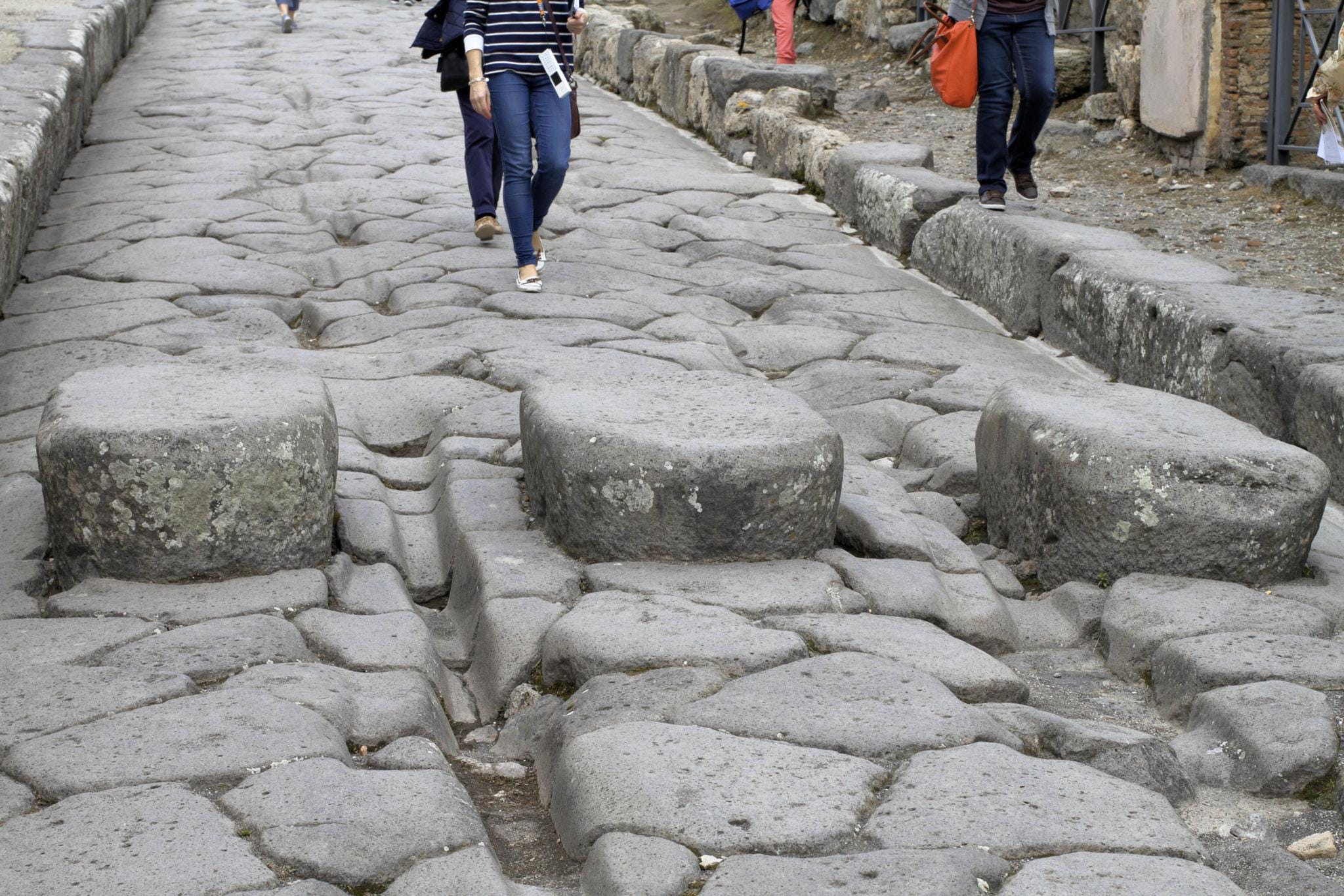
Deep ruts carved by Roman wagon wheels are still visible in Pompeii’s streets. Large stepping stones allowed pedestrians to cross above muddy water and sewage while carts passed between them.
Then the scale hits me.
The city stretches far beyond my sight. Low stone walls, roofless houses, and long, empty streets spread across the plain. In the distance, Vesuvius rises quietly above it all, as if watching over the bustling city it once destroyed.
Pompeii is larger than most people imagine.
The Roman city covered 163 acres — about 0.66 square kilometers — surrounded by sturdy defensive walls. Several gates once connected it to Roman roads and the busy trade routes of the Bay of Naples.
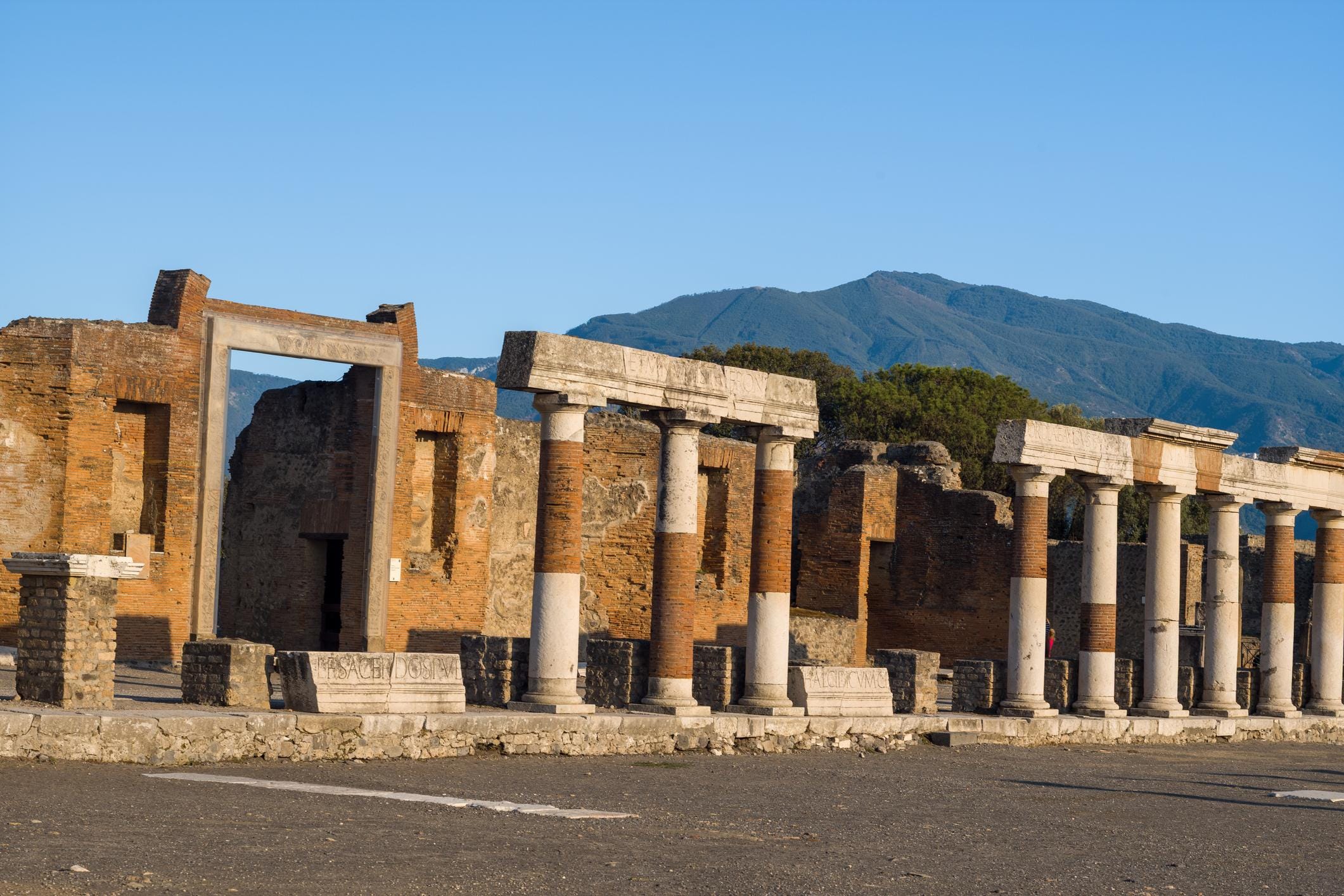
The Forum served as Pompeii’s civic and commercial center. Markets, temples, and government buildings surrounded the open plaza where daily life unfolded nearly two thousand years ago.
Even today, Pompeii has only been partially unearthed.
Roughly two-thirds of the city has been excavated, about 110 acres. Nearly 50 acres remain buried beneath ash and mud.
Most visitors wander through the western and central districts:
the Forum
residential districts
bath complexes
bakeries, shops, and villas
A few continue farther across the worn stone streets toward the amphitheater, more than a kilometer from the entrance.
There, in 1971, Pink Floyd performed inside the empty arena — playing to an audience of ancient stone seats and drifting dust.
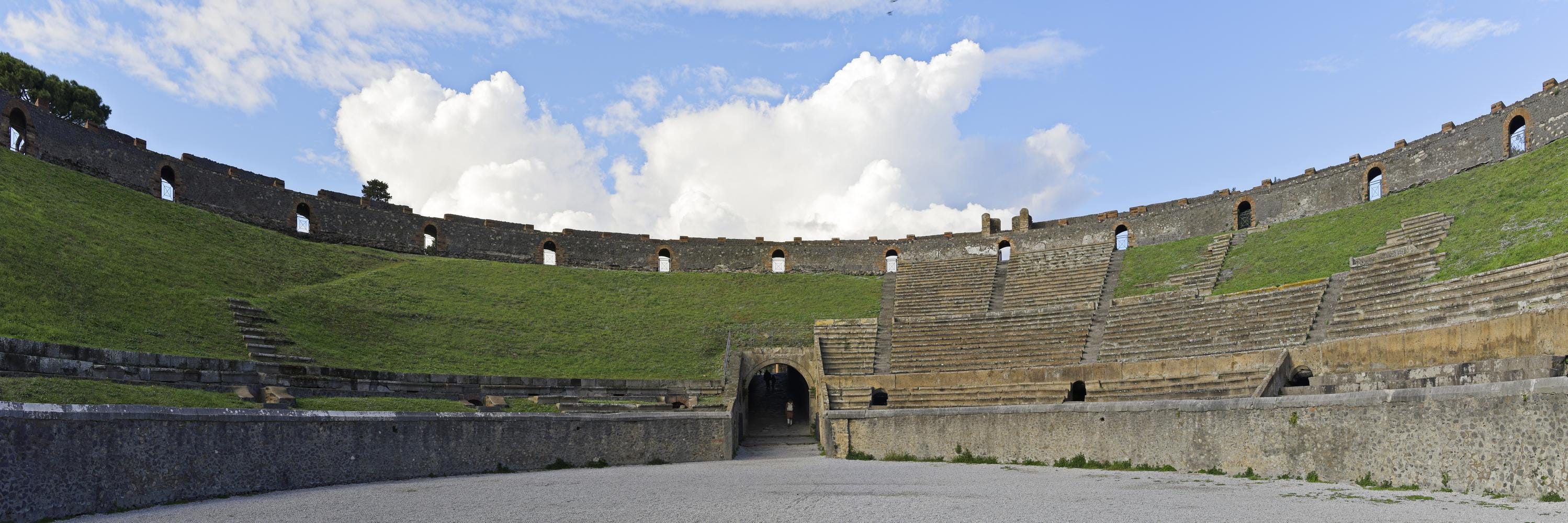
Built around 70 BC, the Pompeii amphitheater is one of the oldest surviving Roman arenas. In 1971, Pink Floyd famously filmed a performance here for Live at Pompeii, playing to an empty stadium of ancient stone.
Archaeologists Will Never Uncover It All
Today, the Italian government prioritizes preservation, not excavation.
Leaving sections buried beneath ash actually protects them. Volcanic layers stabilize ancient walls and floors, shielding them from rain, wind, and creeping vegetation.
Future technology may allow archaeologists to study these areas with less damage.
So beneath the fields and vineyards surrounding the ruins, entire streets still lie hidden.
Houses.
Workshops.
Gardens.
Temples.
Everyday objects left where Roman hands set them down in 79 AD.
After several hours walking the silent, rain-darkened streets of Pompeii, I begin to see the city as more than a ruin.
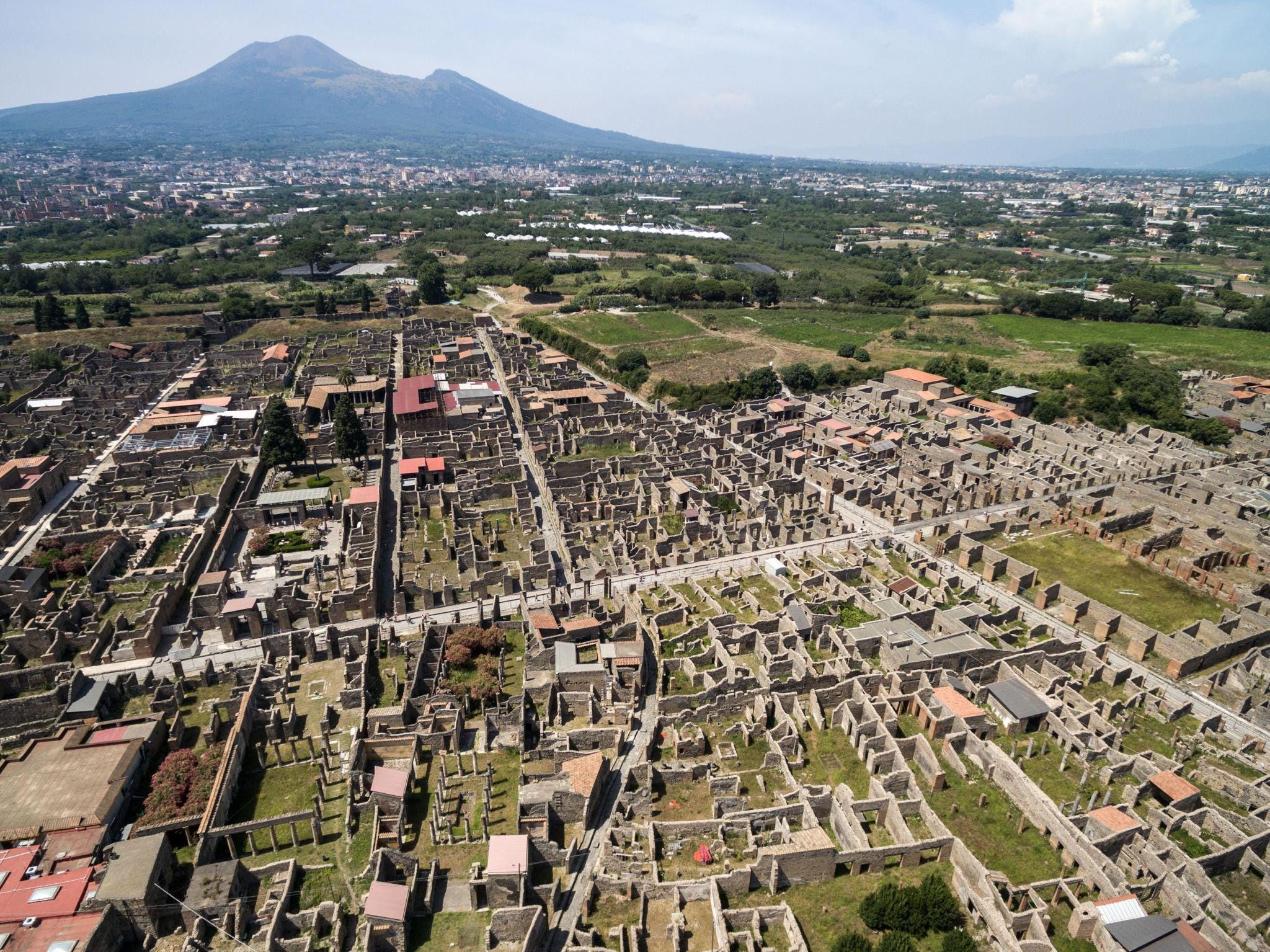
Pompeii covered roughly 163 acres (0.66 square kilometers) inside its defensive walls. About two-thirds of the city has been excavated, while nearly one-third remains buried beneath volcanic ash.
It feels sacred.
A community paused in time — still waiting beneath the ash of Vesuvius.
If Pompeii fascinates you, I wrote earlier this month about a different moment there — when Pink Floyd filmed their famous performance inside the empty amphitheater:
Sometime I will have to visit Pompeii, in the meantime I am enjoying your perspective on places you have visited.
It’s easy to forget Pompeii wasn’t a village.
It was a full Roman town.