
You Could Eat Fast Food in Pompeii — 2,000 Years Ago
Street counters called thermopolia served stews, bread, wine, and quick meals to workers and travelers in the ancient city.

Entering the Pompeii archaeological complex, the smell of fast food drifts from the modern street outside the entrance gates, near the idling tour buses and taxis.
Hamburgers. Hot dogs. Pizza slices. Pasta. Ice cream.
Tourists grab something quick before heading inside to walk the ancient streets.
It feels like a very modern scene.
But fast food isn’t only a modern invention.
Two thousand years ago, Pompeiians also had their own version of it.
They bought it on street corners from small shops called thermopolia.
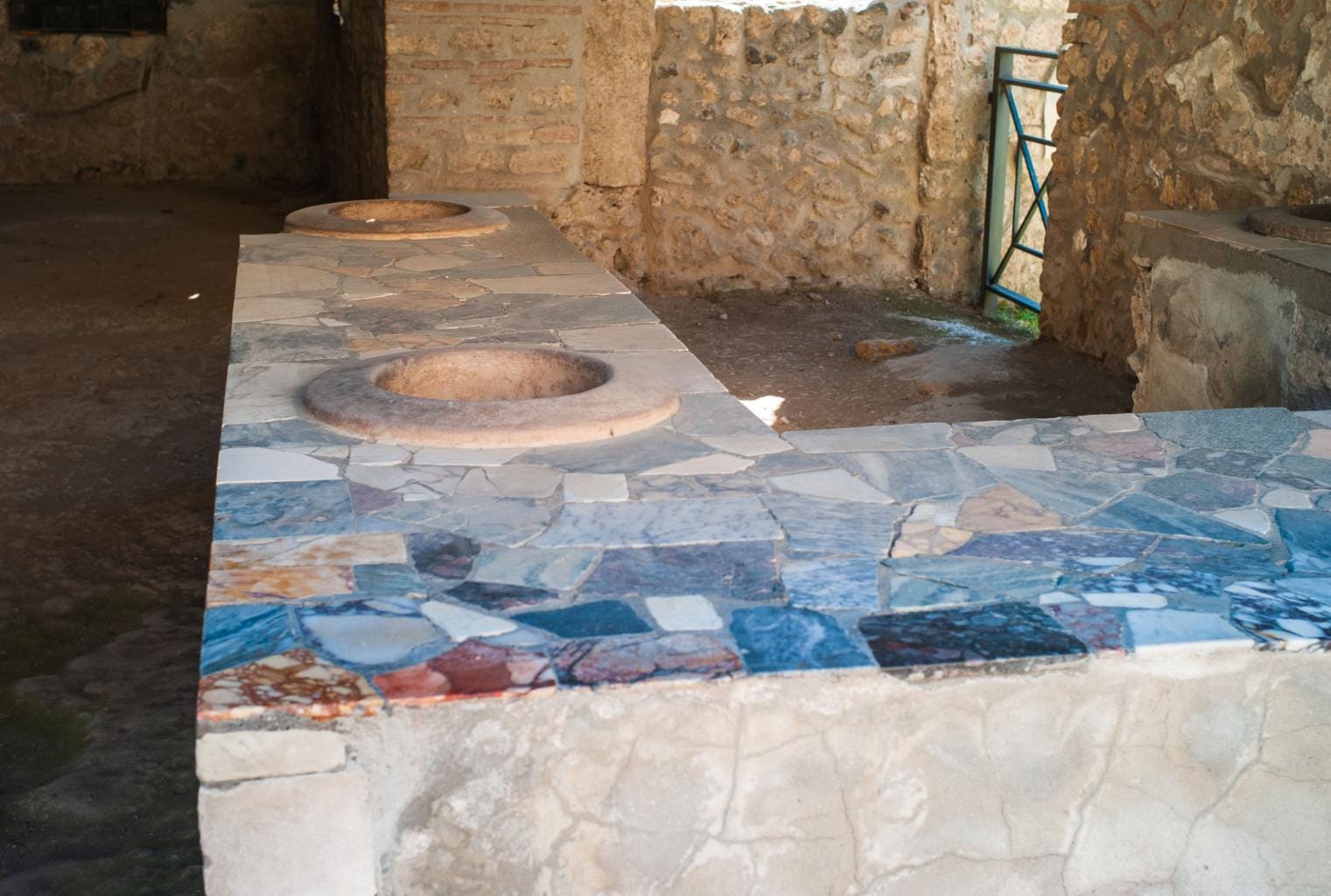
Think of a thermopolium as a typical fast-food counter - made out of stone.
Large clay jars were set into the counter, each holding hot food or drink.
Workers, travelers, and residents who didn’t want to cook at home could drop by and enjoy a fast meal.
Inside the jars were simple foods that could be served quickly.
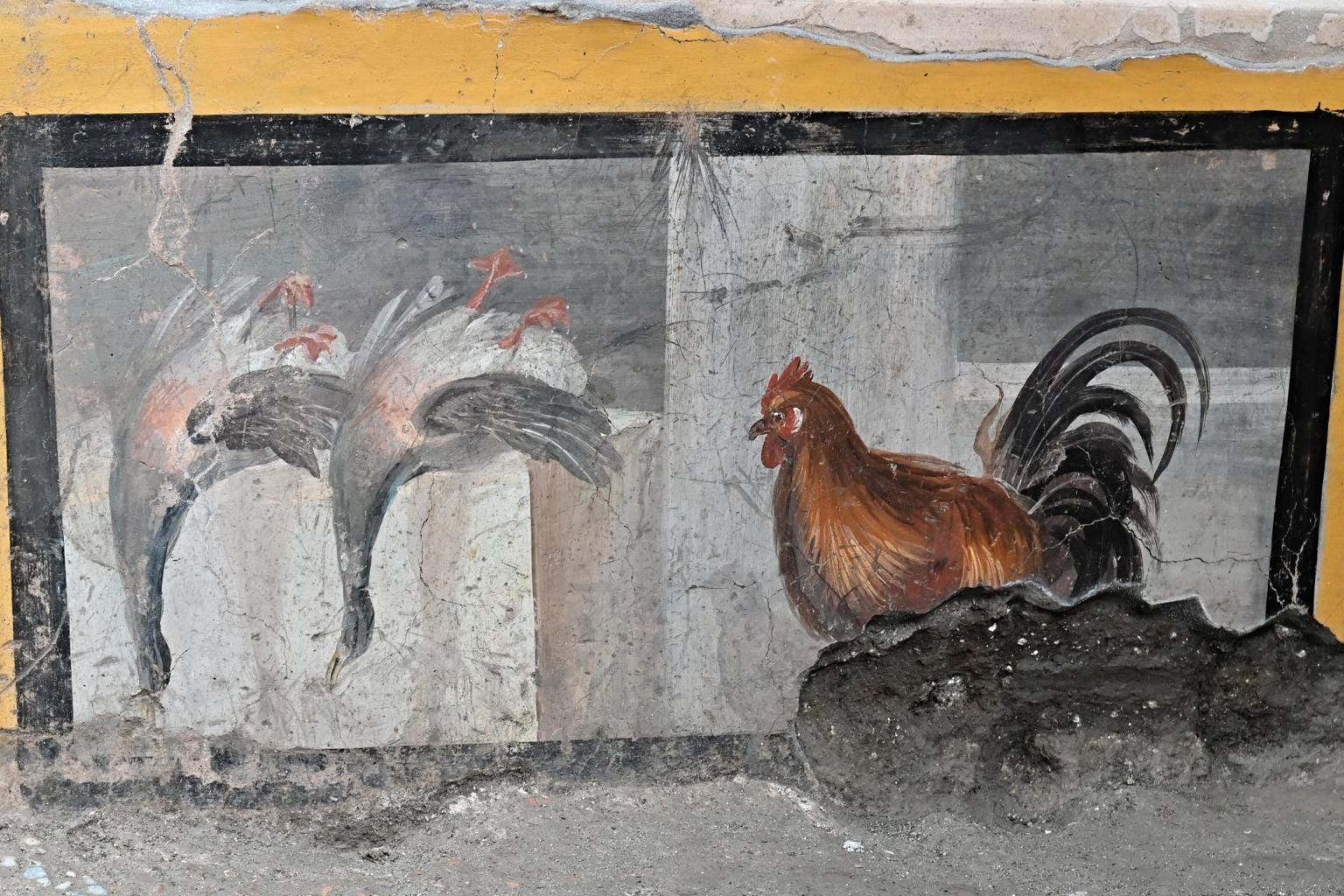
Steaming stews made with locally grown lentils, chickpeas, or beans were common. Some jars held fresh pork or duck cooked with herbs. Others contained snails, fish, or vegetables simmered slowly in broth, the heat rising from the open containers.
Fresh bread was almost always part of the meal. Wheat was ground that day and baked into soft, warm loaves. Customers might tear off a piece, dip it into the stew, or drizzle it with garum, the salty fermented fish sauce Romans loved.
Quick snacks were also easy to grab. Olives, figs, nuts, and dates were popular.
And of course, there was wine. Most Romans drank red wine daily, usually diluted with water (Romans considered it uncivilized to drink pure wine). Wine was often safer to drink than plain water.
Wine contains alcohol and natural acids, which can inhibit some harmful microbes. It wasn’t sterilized like modern beverages, but it was less risky than stagnant or contaminated water.
A thermopolium could pour a cup of diluted wine quickly for anyone leaning against the counter. Roman writers such as Pliny the Elder and Cato mention wine frequently in their writings about daily life. Even workers and slaves often received wine rations.
The air around a busy thermopolium must have been thick with smells - stewing meat, warm bread, herbs, and the sharp salty scent of garum.
Clay cups would clink against the stone counter while customers talked, argued about politics. Or, they discussed the latest gladiator games as carts rattled along the street outside.
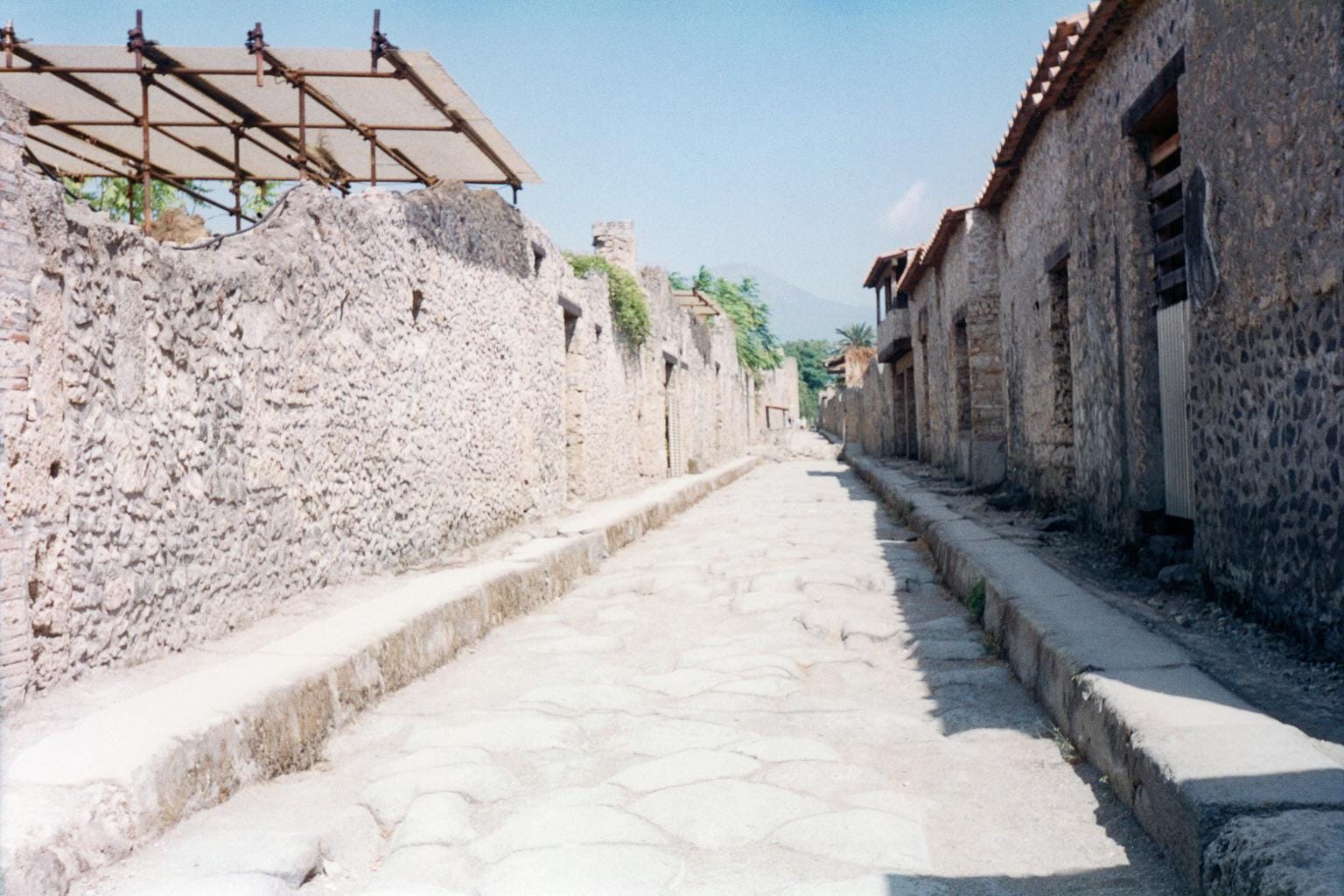
Two thousand years later, Pompeii has been rediscovered, and visitors still grab something quick to eat before entering Pompeii.
The food is different.
But the idea of fast food here is not new at all.
If you enjoy short stories about history and the places where it happened, consider subscribing to Unpaid Observer. New essays arrive regularly.