
Most People Pass Through Padua — They Never Really See It
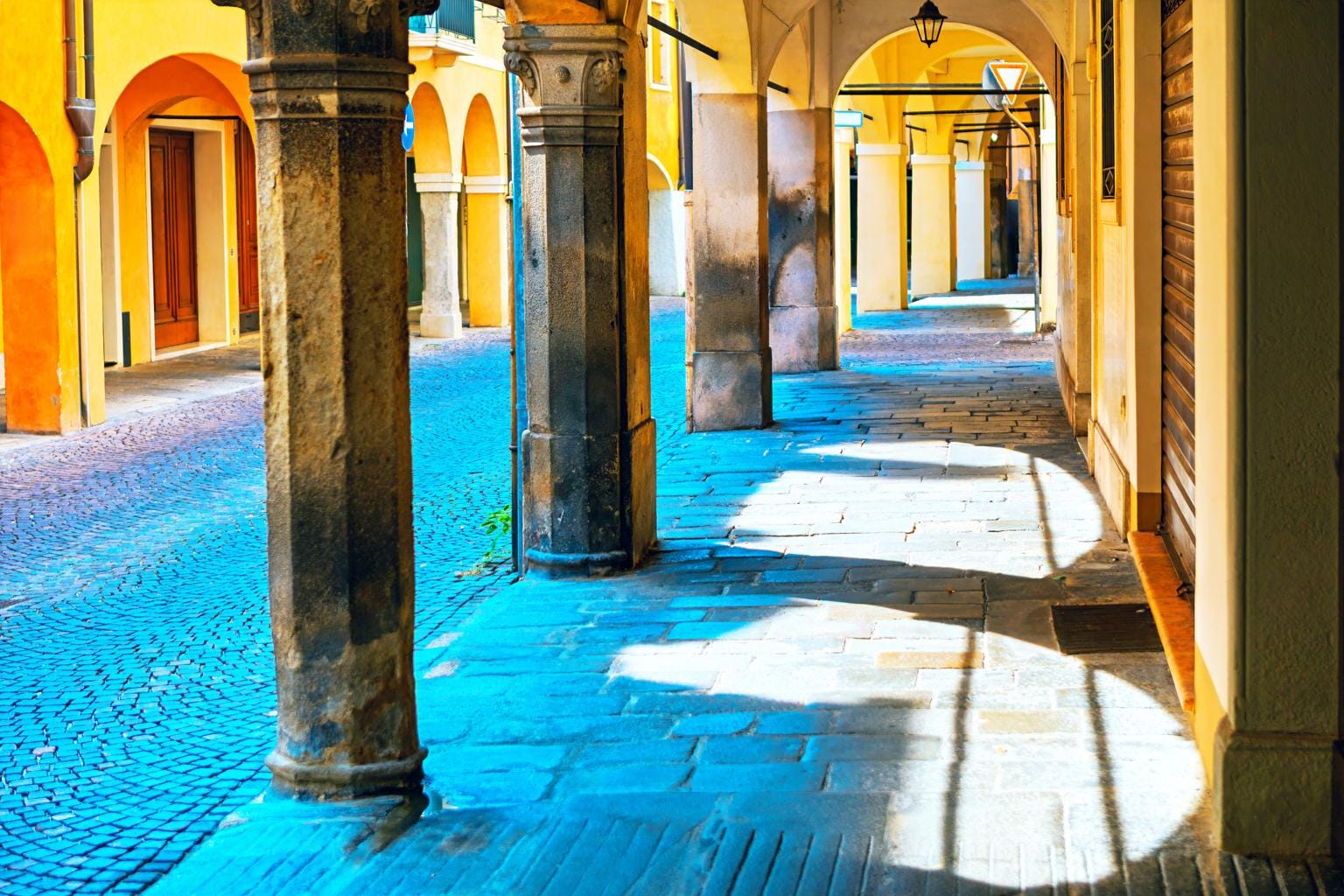
Arcades, worn stone, and long shadows — Padua reveals itself slowly, if you let it.

Most people pass through Padua on the way to Venice.
Others treat it as a quick day trip—then move on.
They don’t stay.
Livy was born here.
Galileo taught here.
Gray cobblestones shifted under my shoes, worn uneven by centuries of footsteps. Arcades stretched along the streets, their shade cutting the heat as sweat ran down my neck.
A quiet settled in.
A moment later, it changes.
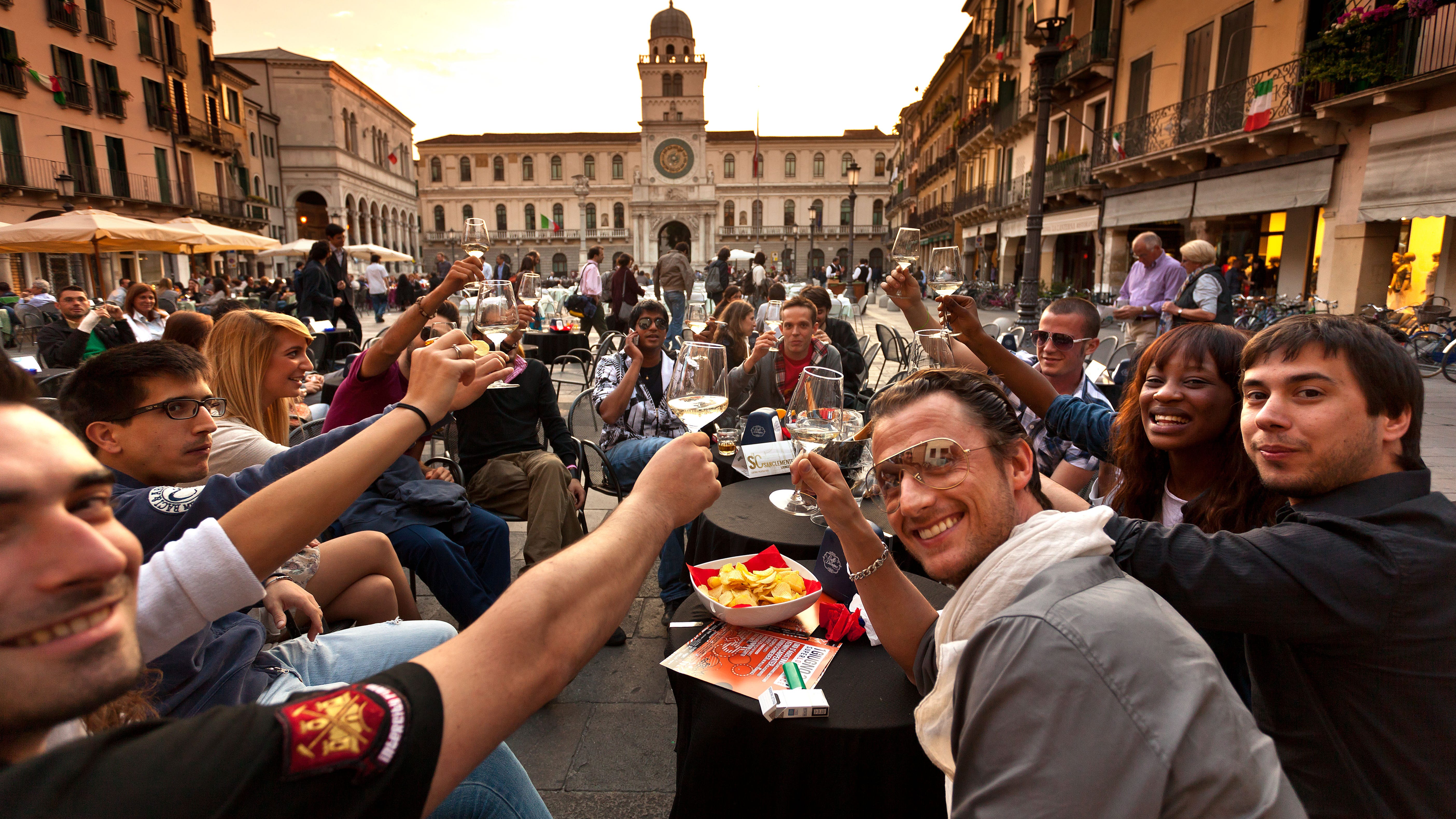
Dinner stretches here — conversations outlast the plates.
Students sit reading, books open in their laps.
No rush. No noise.
After Venice, the quiet and ease was welcome.
The walls changed color and texture as I walked — darker, rougher, older than the stone I’d just passed.
In one spot, Roman ruins sat behind a locked iron gate — visible, but out of reach. What remained of the Roman city — nearly two thousand years old — was still here, folded into everything that came after.
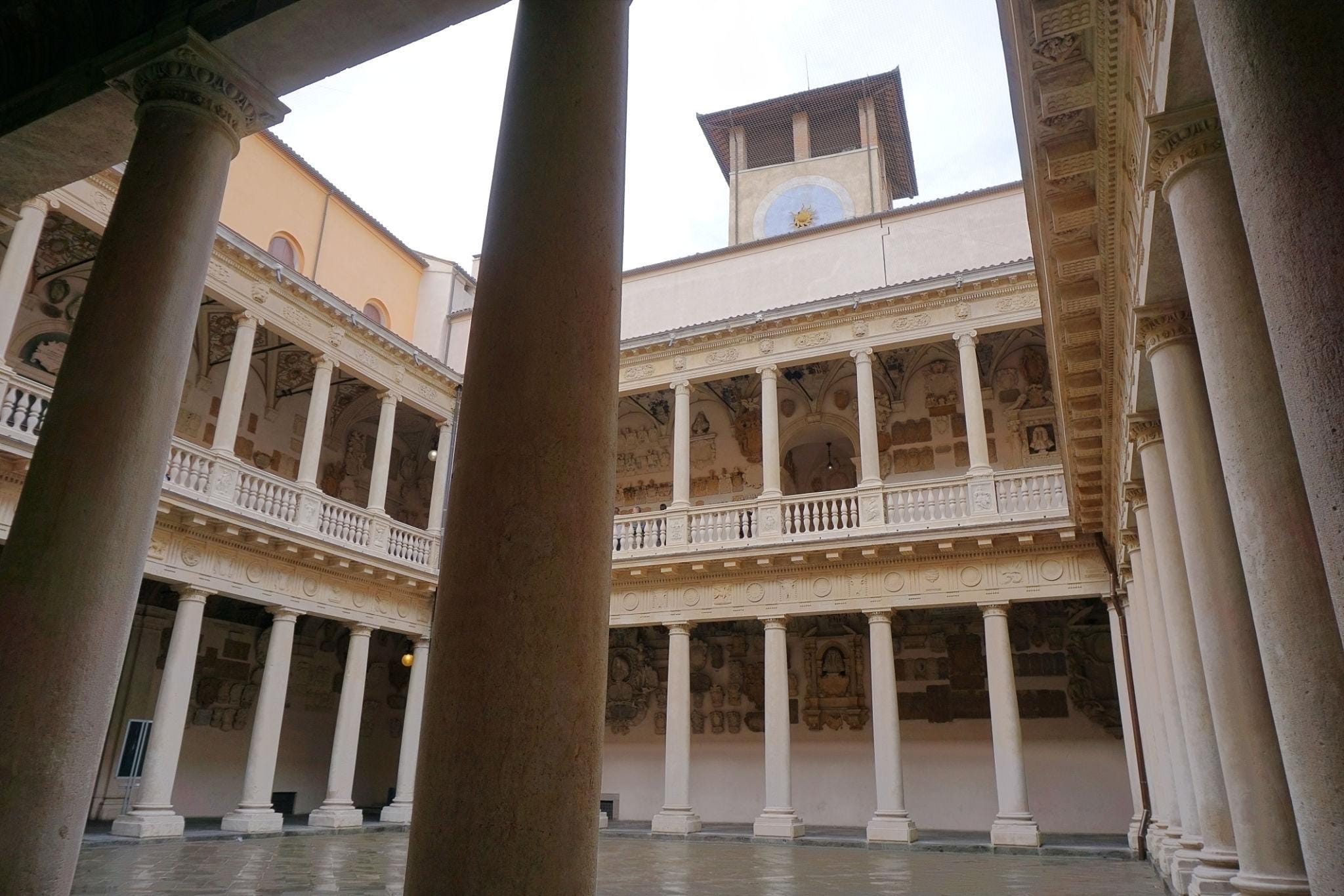
Further on, the University of Padua, founded in 1222, moves at its own pace. Students pass between classes, unhurried.
Galileo taught here for nearly twenty years. He once described his time in Padua as the happiest of his life.
It felt believable.
Livy, the Roman historian, was born here, in what was once Patavium. His work helped shape how Rome’s story has been told for centuries.
Like everything else in Padua, it isn’t emphasized. It’s simply part of the place.
Nothing announces it. No crowds gather. No sense that something tremendous happened. Just students, stone buildings, and the steady rhythm of a working, historic city.
I keep walking and catch the faint smell of espresso drifting from a small café tucked under the arcade. Cups clink inside. A door opens, then closes. The sound fades back into the quiet.
The street opens into a large square.
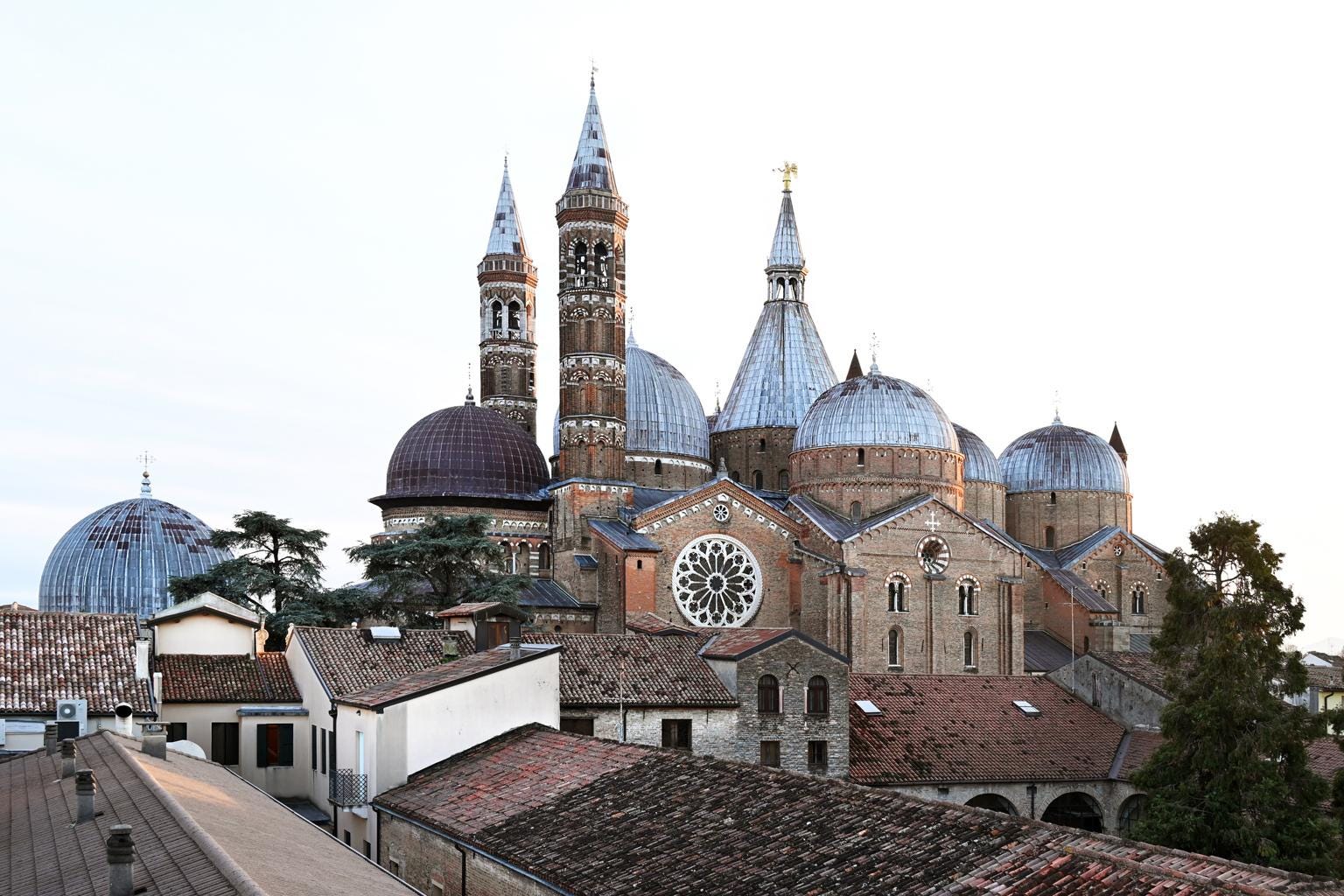
Ahead, the Basilica of Saint Anthony in Padua rises — larger than I expected, its domes and arches lifting above the rest of the city.
People move in and out quietly, pausing near the tomb of Saint Anthony of Padua.
Inside, the air cools, and the sound drops away. Yellow candles flicker along the walls. A wrinkled woman in a shawl crosses herself, resting her hand briefly against the stone. She pauses, head bowed, then moves on.
It’s clearly a place that matters — but even here, there’s no urgency. No performance. Just a steady, quiet reverence.
Nothing insists on being noticed as I wander through the city. No lines. No signs pointing anything out as important. Just the sense that it is.
Places like Padua don’t demand attention. They don’t need to. The history is there — layered into the stone, carried forward by the people moving through it.
It’s easy to pass through and miss it on the way to places like the Roman Forum or Pompeii’s empty streets. Most probably do.
But if you slow down, even for a short walk, it becomes clear —
Padua doesn’t feel like it’s trying to be important.
It doesn’t need to be.
But it is.
If you enjoy place-based writing that slows down and looks a little closer, consider subscribing to Unpaid Observer.
Interesting to walk where livy and Galileo waljed.