
Julius Caesar Doesn’t Have a Tomb in the Roman Forum — Here’s Why
After his assassination, the crowd took control of Caesar’s funeral— and burned him in the center of Rome.

Many come to the Roman Forum looking for Caesar’s grave.
What they find instead is the place where his body burned.
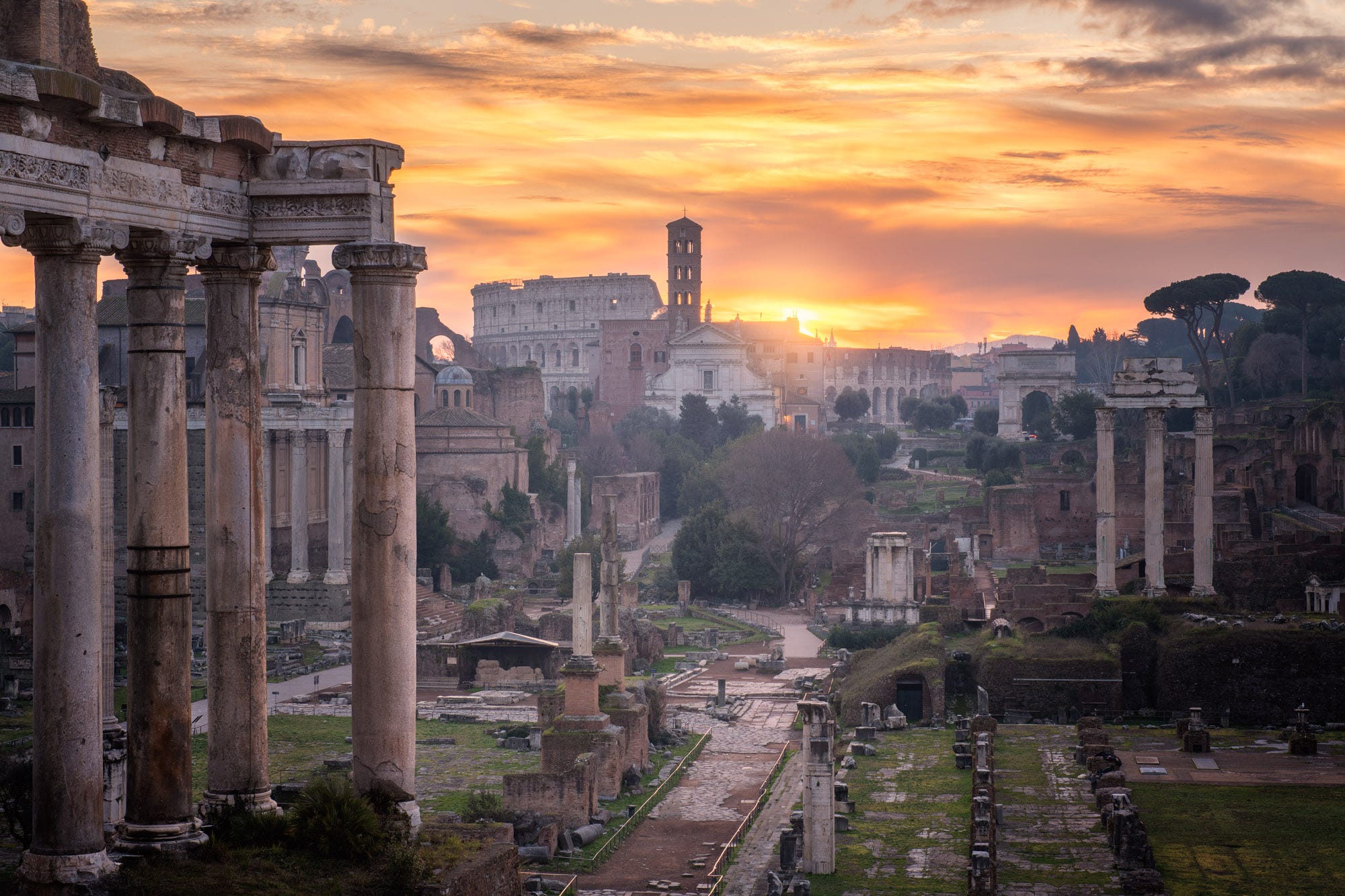
After the Ides of March, Julius Caesar’s body was carried into the Forum.
There were plans for a proper funeral. Order. Ceremony. Control.
That didn’t last.
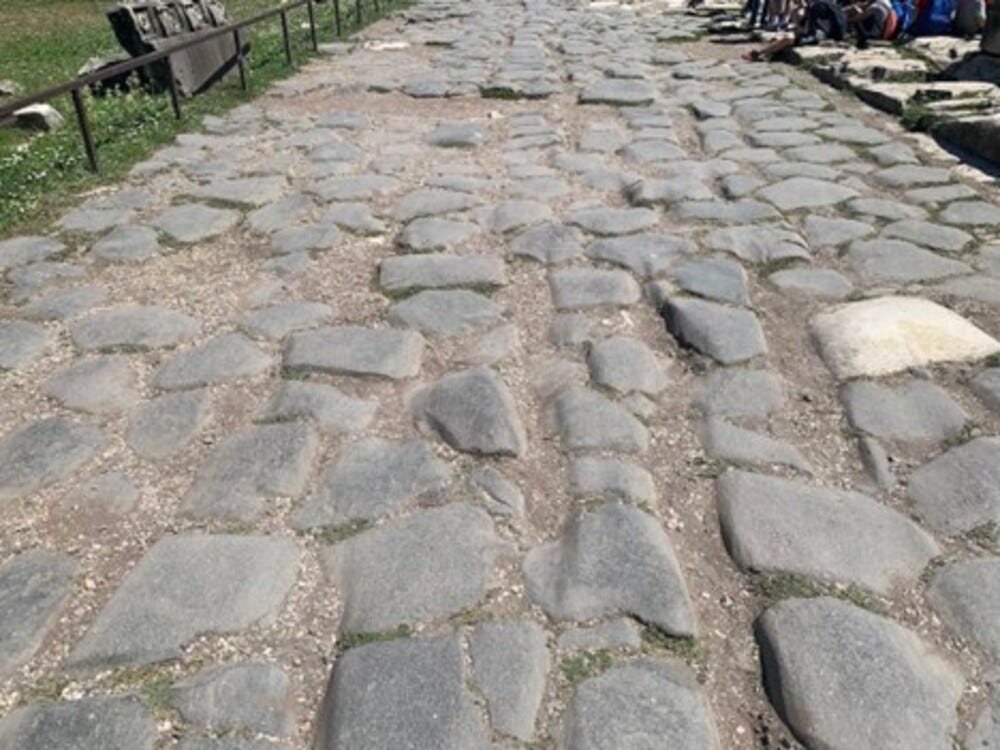
He was laid out in the open, near the Regia along the Via Sacra. People gathered quickly. Hundreds, then more. Some spoke. Some wept.
Then, the mood of the crowd changed. It moved fast — contagious. The mob surged forward and took him, still wrapped in the blood-stained toga he died in, stiff with dried blood.
His wounds were still visible.
All 23.
They built a pyre right in the heart of the Forum. Not with prepared wood, but with whatever they could tear loose.
They ripped down market stalls, broke up benches, and pulled beams from nearby structures. The smell would have come first—dry wood catching, smoke drifting low between the monuments.
Then the unique smell of flesh burning in flames.
This was the place where Caesar had spoken for years. Where power was negotiated. Where Rome in all its colors watched itself.
Now it burned.
Months later, a temple rose on that exact spot — the Temple of Divus Julius.
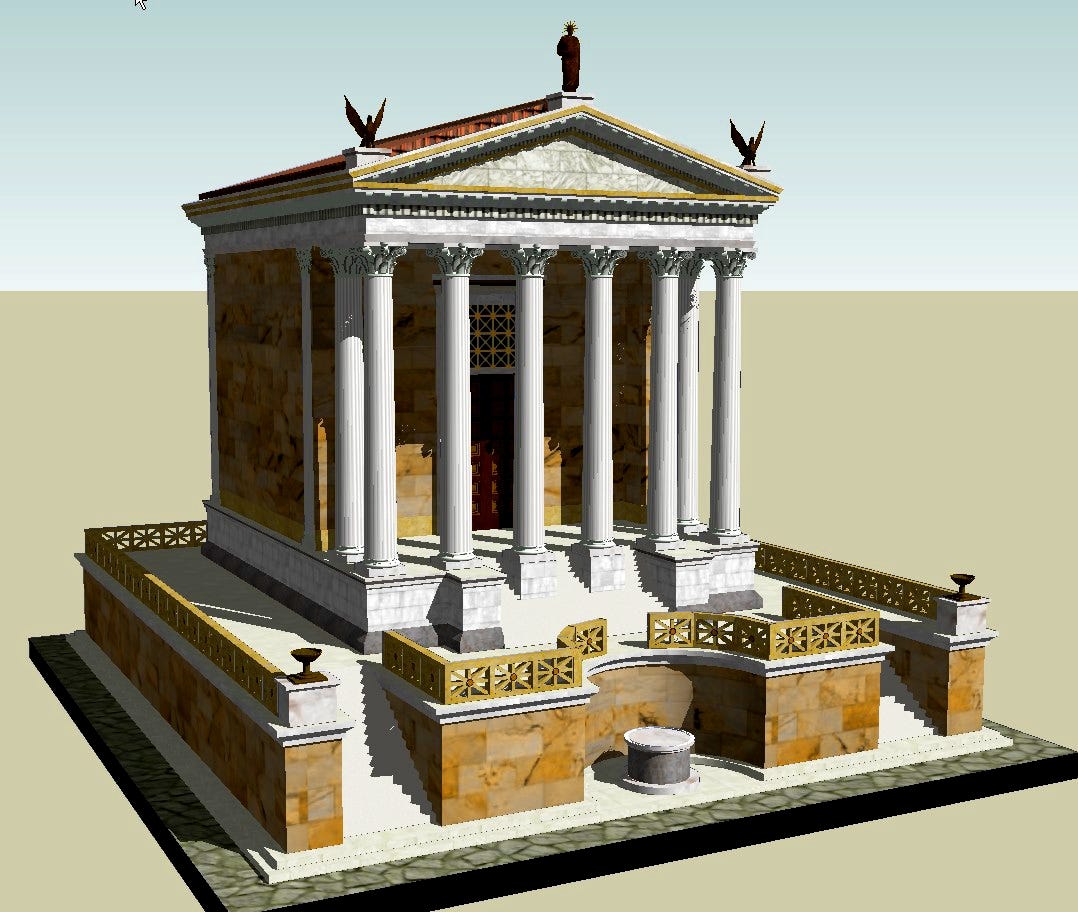
White marble. An altar facing the Forum.
People came for generations. To stand there. To leave offerings. To remember.
That temple didn’t survive. After the empire fell, it was stripped — its marble taken, its form slowly erased into the surrounding city.
What remains is low. Fragmented. Easy to miss.
But the spot is still marked. A small altar.
Often covered in fresh flowers.
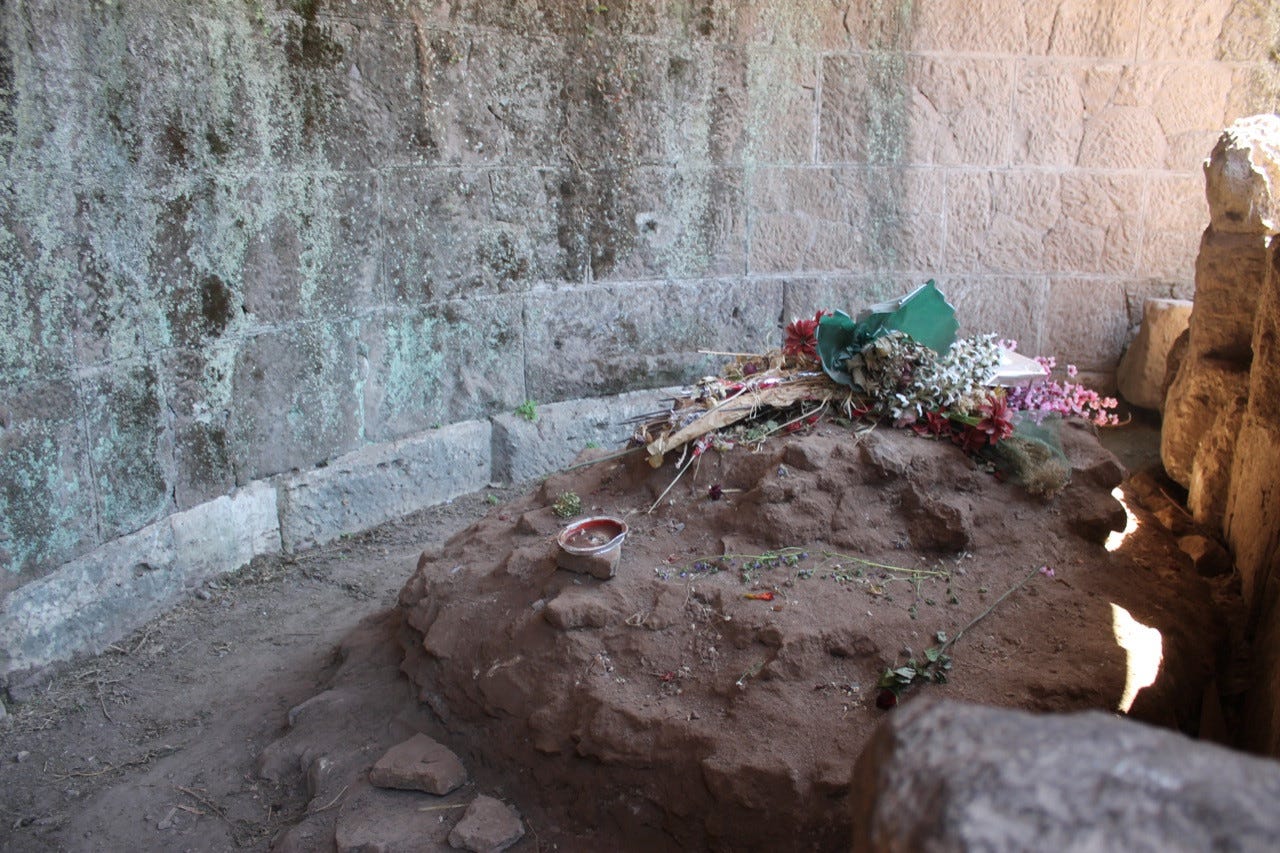
You can stand there now without realizing it. The Forum is quiet again.
And beneath your feet —
one of the most powerful men in history was reduced to smoke in a single afternoon by the very people who revered him.
If you enjoy small details from places where history still lingers, consider subscribing.
I write about moments like this — where something enormous once happened, and almost nothing remains.