
They Farmed Here for Centuries — Pompeii Was Buried Beneath Them
Fertile soil, forgotten ruins, and the slow uncovering of a city lost beneath the Sarno plain.

The rich volcanic soil that buried Pompeii on the Sarno plain remained fertile for centuries.
Farmers worked the land above it, with Mount Vesuvius watching over them, growing olives, grapes, and vegetables — unaware of what lay below.
Pompeii remained buried.
Perhaps sheep and goats grazed there at times, moving across the same ground that had buried the city.
The rediscovery of the buried buildings and streets of Pompeii unfolded slowly.
In 1599, engineer Domenico Fontana dug a canal through the area. He unearthed walls, frescoes, and inscriptions in the dark soil.
He covered it up. No one linked the finds to Pompeii.
In 1709, a worker digging a well in nearby Herculaneum struck marble — statues and a buried theater.
Interest in lost Roman cities began to grow.
In the 19th century, Giuseppe Fiorelli began to understand what earlier excavations had missed.
He came to Pompeii not to dig for treasure, but to uncover and study the city itself.
He and his team removed thousands of tons of earth — wooden wheelbarrows, iron shovels, fine ash rising and settling over everything.
Not treasure hunters. Laborers.
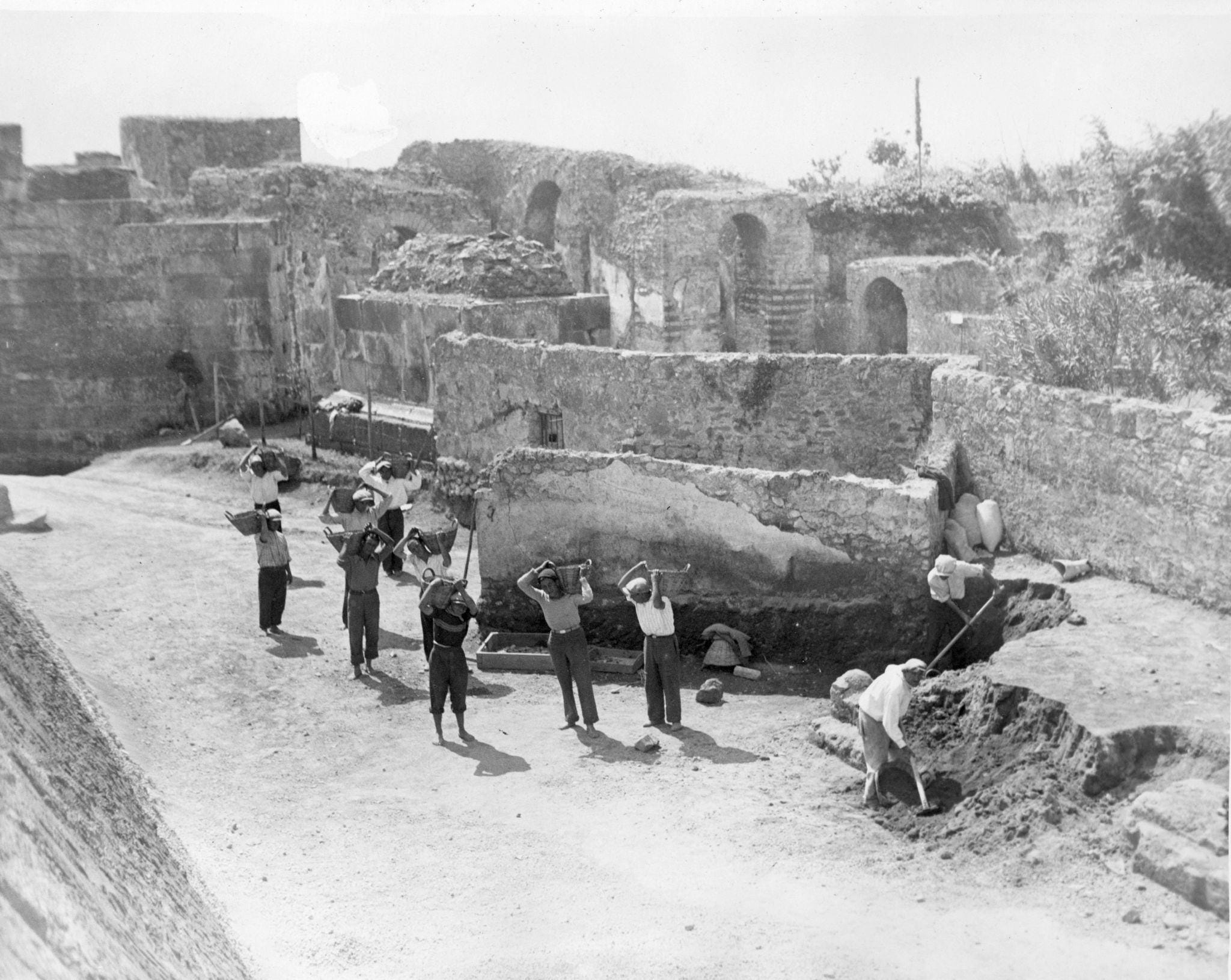
They mapped the streets. Numbered the houses.
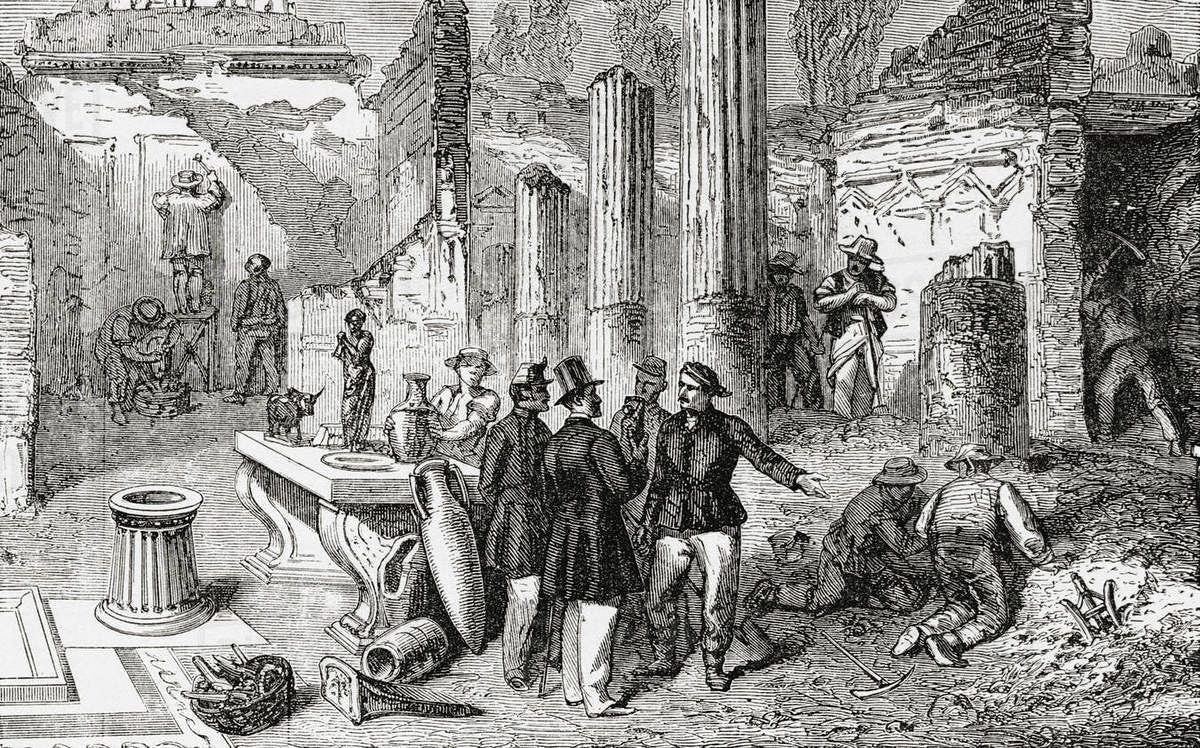
For the first time in nearly 1,800 years, Pompeii began to take shape as a whole.
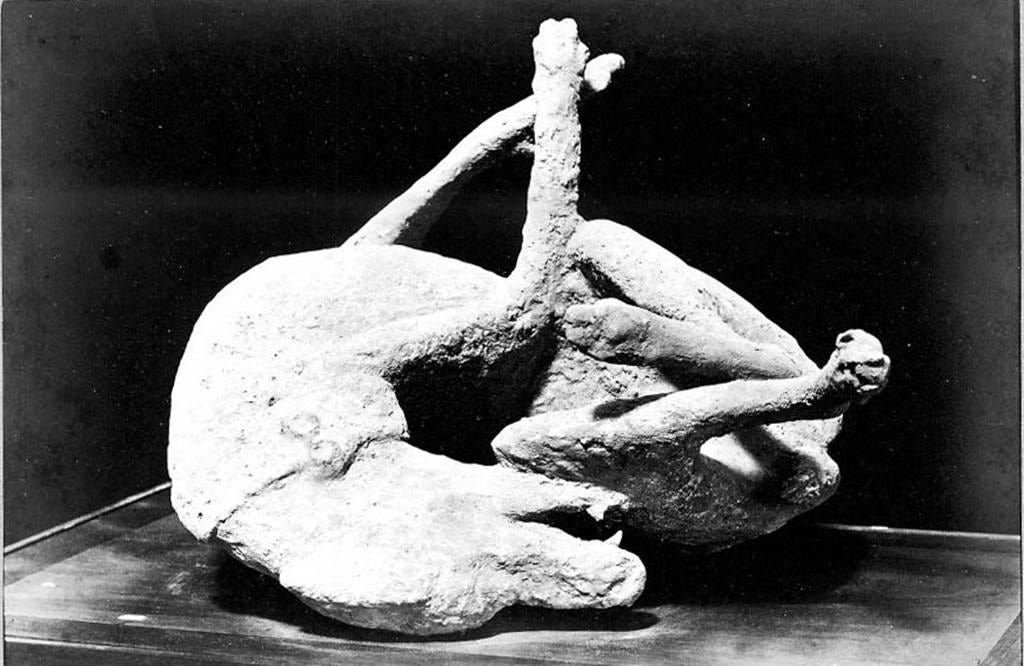
When he poured plaster into the voids left in the ash, the plaster casts revealed the final moments of the city.
Pompeii isn’t gone. It was waiting to be rediscovered.
More pieces like this → Unpaid Observer
If you enjoy short observations like this from history and the places where it happened, you can subscribe below.
It’s strange to think Pompeii was never really “lost” — just buried, slowly, layer by layer.
Even when people lived nearby, the city was still there beneath their feet, waiting.