An Empire That Disappeared
A century after Austria-Hungary vanished, the Julian Alps still hold the names of its dead.

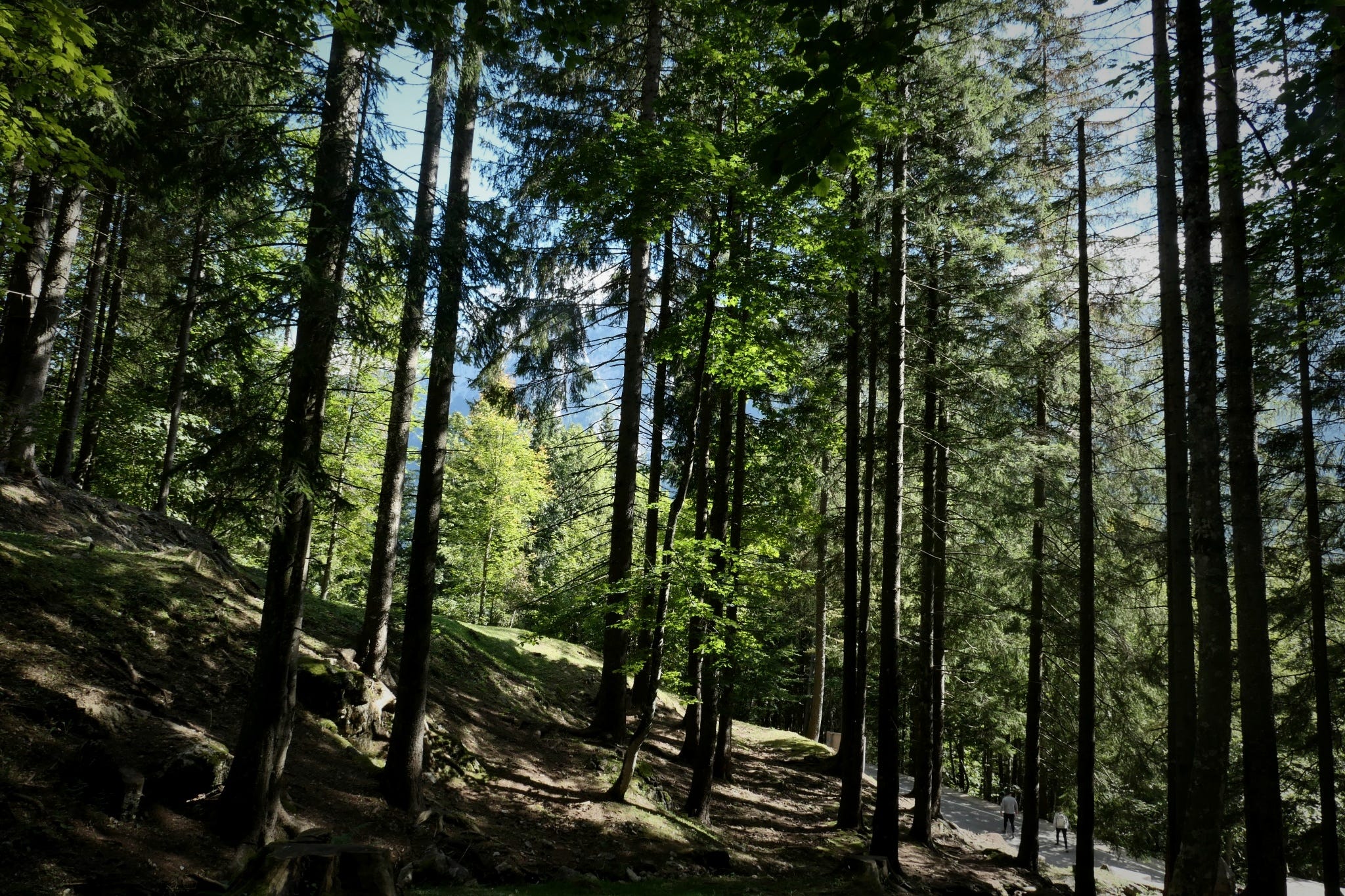
Cool September air in northern Slovenia, 2023. Late-morning sunlight slants through the Norway spruce alpine forest. Ragged peaks rise in the near distance. These are the Julian Alps. Nothing in this stunning landscape suggests war.
And yet, a century ago, these mountains devoured young men by the thousands. Most remember the Somme, Ypres, and Verdun. Few remember the desperate fighting at high altitude in these frigid mountains.
This was the Isonzo Front, a largely forgotten sector of the First World War fought along the Soča River between Italy and Austria-Hungary. From May 1915 to October 1917, twelve brutal battles were waged here. Hundreds of thousands of soldiers were killed or wounded in what became one of the harshest theaters of modern warfare.
Young men from Italy and Austria-Hungary fought on cliffs, ridges, and glaciers above the treeline. Frostbite, snow blindness, starvation, and avalanches were as deadly as artillery. Food and ammunition were hauled up near-vertical slopes by men and pack animals. Guns were dragged into positions that still seem impossible today.
Local guides say the mountains continue to give up what they once swallowed. As the ice retreats, remnants appear: artillery shells, coils of barbed wire, rusted helmets, and sometimes blackened human bodies preserved by cold. Many were barely more than boys.
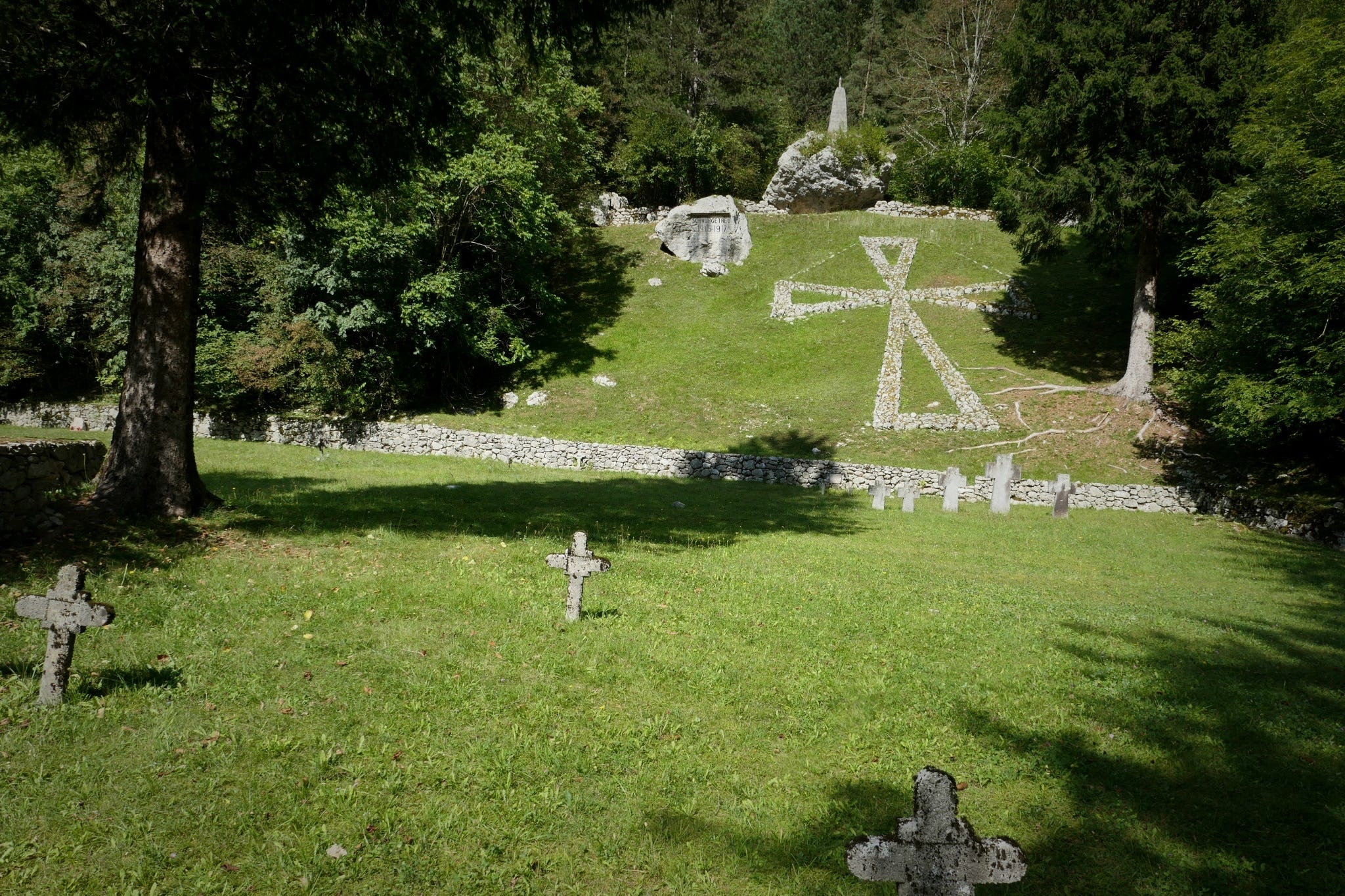
Thousands of feet below those peaks lie small cemeteries near Bovec. Rows of stone crosses bear fading German, Hungarian, and Slavic names. Franz Gruber. László Nagy. Ivan Novak. Boys from an empire of many peoples, bound together under one crown.
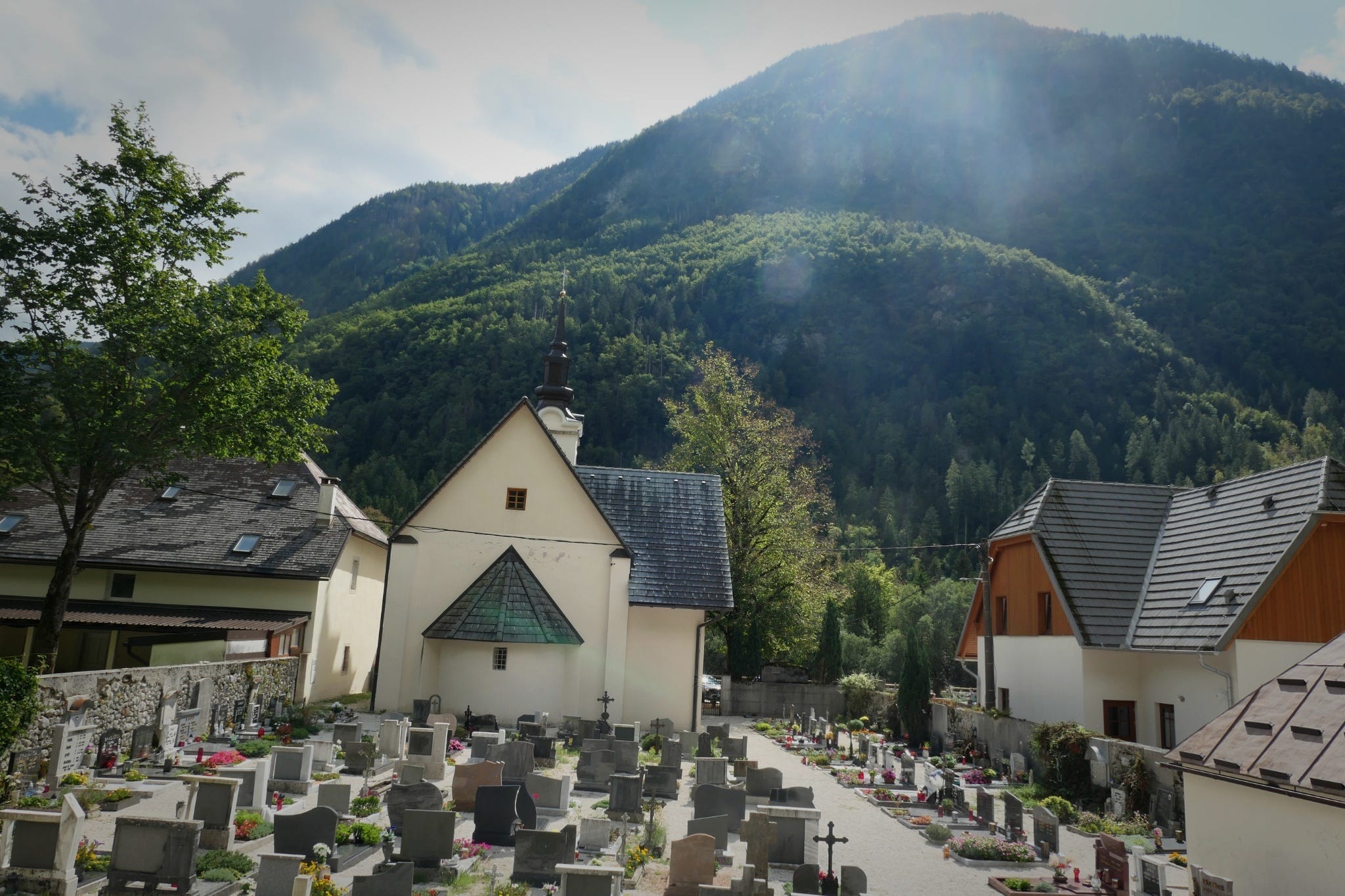
The Isonzo rarely appears in Western memory. These men appear even less.
We leave the cemetery and follow the road west as it begins to climb. Soon, the hairpin turns of the Vršič Pass rise ahead, carved into the mountainside.
In 1915, this pass was a strategic supply route. The Austro-Hungarian army forced roughly 10,000 Russian prisoners of war, captured on the Eastern Front, to build it.
They worked in ice and wind, underfed and poorly clothed, their boots often cobbled together from scraps of leather. Disease and exhaustion claimed many.
Then, in March 1916, an avalanche roared down the mountainside and buried the camp. At least 272 Russian prisoners died in moments.
In their memory, surviving prisoners built a small wooden Orthodox chapel beside the road. It still stands, modest and quiet, almost hidden among the spruces. A memorial not to victory, but to endurance.
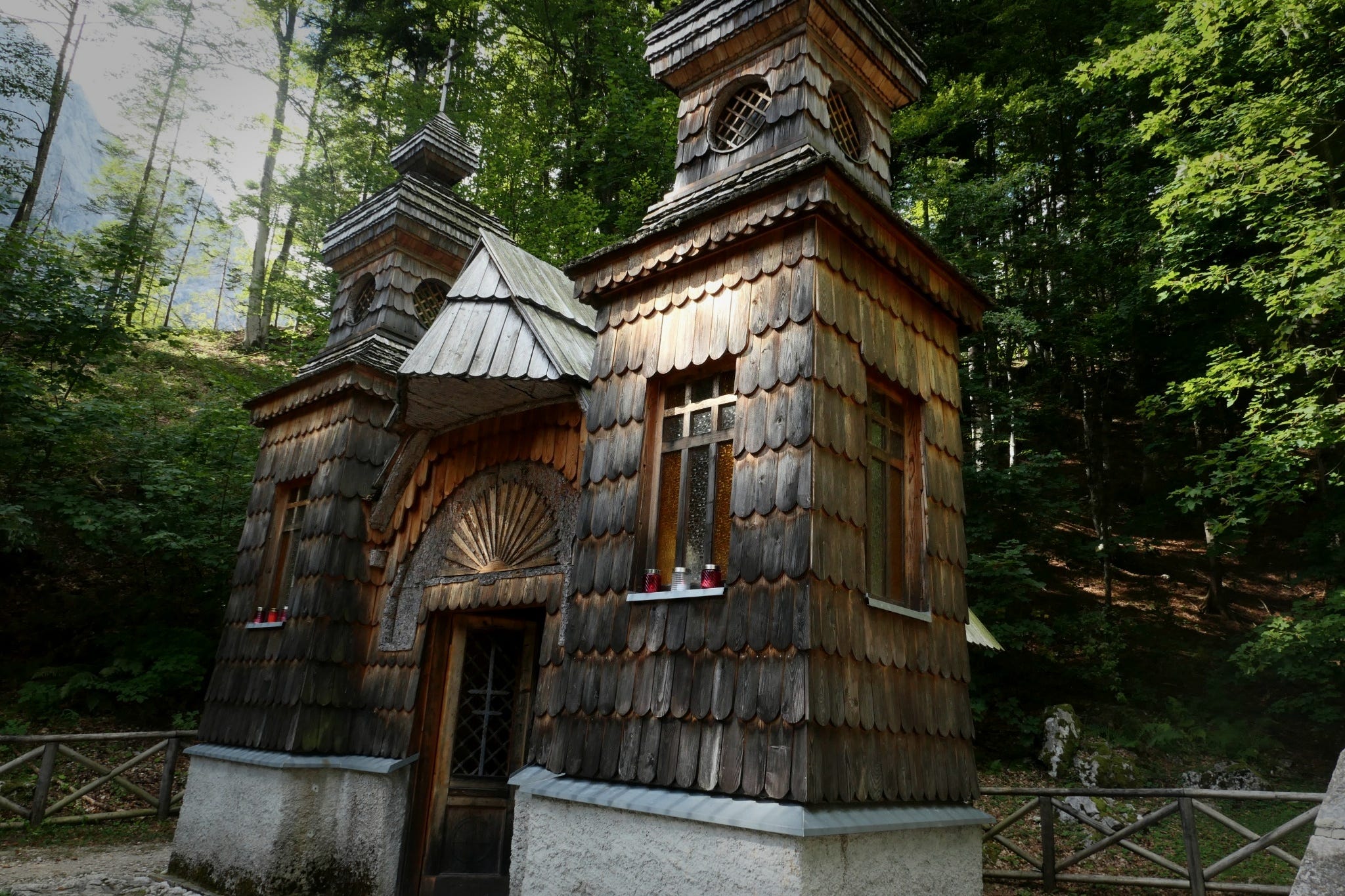
Today it is known simply as the Russian Chapel. Over time, it has become a symbol not only of tragedy but of reconciliation. Russian and Slovenian officials still gather there for memorial ceremonies.
During our 2023 visit, a gray-haired man in his seventies stood inside the chapel, watching over it. His face was lined and kind. He asked us, in careful English, which of six languages we would prefer for his account of the Russian prisoners. He gives the tour freely, in honor of the men who died building the road.
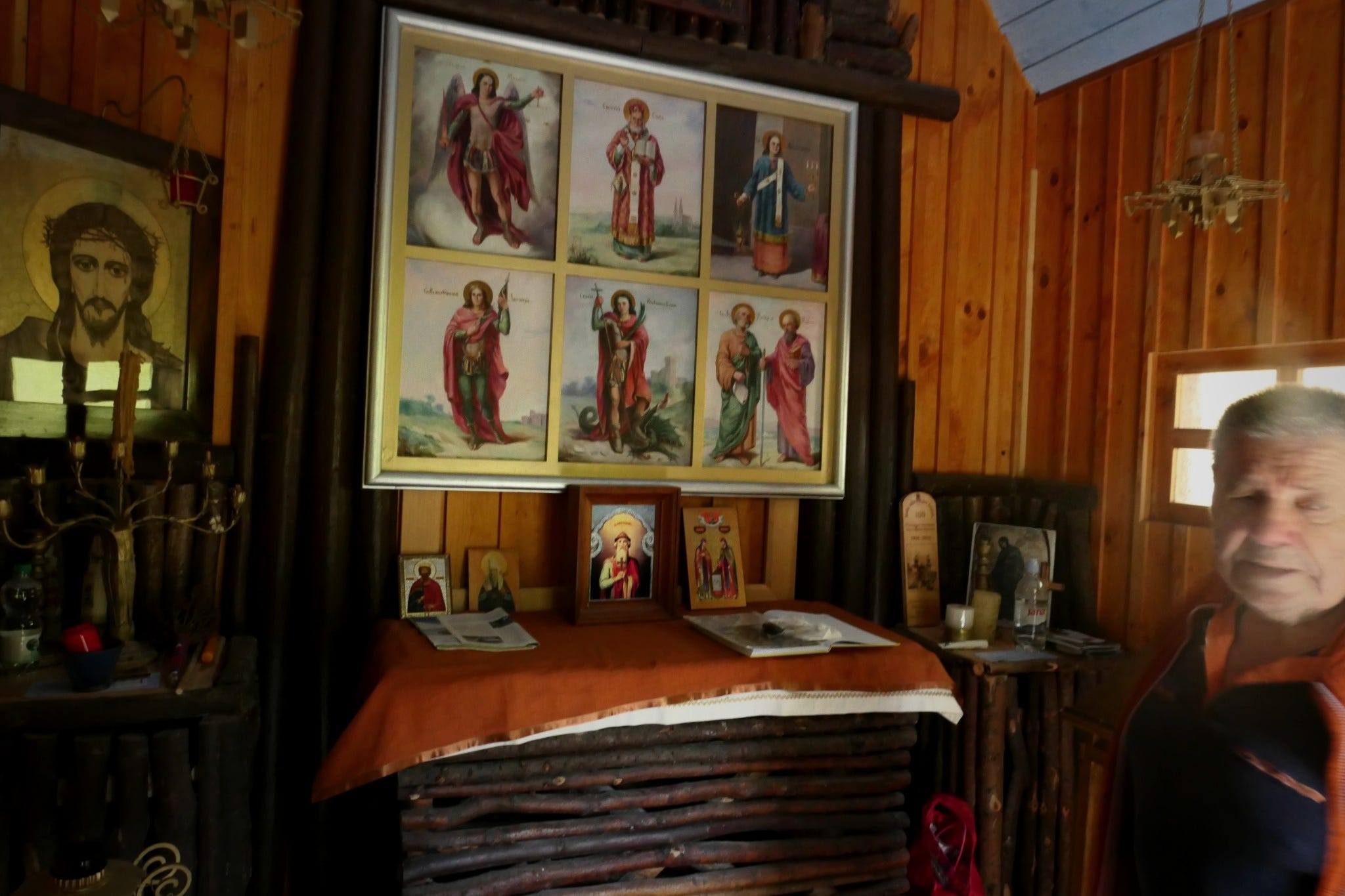
Empires dissolve. Governments change. Yet someone still stands in a wooden chapel and remembers.
Today, the grass is cut. The stones are straightened, and flowers are placed by dedicated locals. The church bell still tolls.
The empire these men marched for dissolved in 1918. Their names fade from memory. The mountains remain.